Hotel booking advice is crucial for securing the best deals and ensuring a smooth travel experience. This guide delves into various aspects of hotel bookings, from finding the lowest prices and understanding cancellation policies to choosing the right hotel for your needs and maximizing your stay. We’ll explore strategies for savvy travelers looking to optimize their hotel bookings and get the most value for their money.
Whether you’re planning a weekend getaway or an extended vacation, understanding the nuances of hotel bookings can significantly impact your trip. From leveraging price comparison websites and loyalty programs to negotiating better rates and understanding hidden fees, this guide provides a comprehensive overview to help you navigate the process with confidence and efficiency.
Hotel Amenities and Services
Choosing a hotel often involves considering more than just the room itself. The amenities and services offered significantly impact the overall guest experience and value for money. Understanding these offerings allows for a more informed decision, ensuring your stay aligns with your expectations and needs.Hotel amenities and services vary greatly depending on the hotel’s classification (budget, mid-range, luxury), brand, and location.
Factors such as target market and local competition influence the types and quality of amenities provided. This range extends from basic necessities to luxurious extras, shaping the overall cost and guest experience.
Types of Hotel Amenities and Their Value
A wide range of amenities enhances the guest experience. Pools, for instance, provide relaxation and recreation, particularly valuable for families or those seeking leisure activities. Spas offer rejuvenating treatments, contributing to a wellness-focused stay. Fitness centers cater to health-conscious travelers, allowing them to maintain their routines while away from home. On-site restaurants provide convenience and dining options, eliminating the need for external searches, especially useful for late arrivals or busy schedules.
Business centers, with facilities like printers and meeting rooms, cater to business travelers’ needs, increasing efficiency and productivity during their stay. Other amenities may include concierge services, laundry services, and room service, all adding to the overall comfort and convenience.
Comparison of Amenities Across Hotel Types
Budget hotels typically offer basic amenities, focusing on functionality over luxury. These might include a simple swimming pool, limited room service, and perhaps a small fitness area. Mid-range hotels often provide a wider selection, potentially featuring upgraded rooms, enhanced fitness facilities, and more diverse dining options. Luxury hotels go above and beyond, offering extensive spa services, multiple dining venues (often with fine dining options), private pools, and personalized concierge services.
Boutique hotels often prioritize unique character and personalized service over sheer scale of amenities, sometimes focusing on curated experiences rather than extensive facilities. For example, a boutique hotel might offer a carefully selected wine list and intimate dining experiences instead of a large, generic restaurant.
Essential and Desirable Hotel Amenities
Prioritizing amenities depends on individual preferences and the purpose of the trip. However, a categorization can help in planning.
Essential amenities are those crucial for a comfortable stay. These include:
- Clean and well-maintained rooms
- Comfortable beds and linens
- Functional bathroom facilities
- Reliable Wi-Fi access
- Adequate lighting and climate control
Desirable amenities enhance the experience and add value. These are often dependent on individual needs and preferences:
- Swimming pool
- Fitness center
- On-site restaurant(s)
- Spa and wellness facilities
- Concierge services
- Business center
- Parking
Flight Deals and Hacks
Securing affordable airfare can significantly impact your overall travel budget. This section provides strategies for finding the best flight deals and navigating the complexities of flight booking to maximize savings and rewards. By employing these techniques, you can transform your travel planning from a stressful endeavor into a rewarding experience.Finding the cheapest flights requires a proactive approach and a bit of savvy.
Several methods exist to help you unearth hidden bargains and avoid unnecessary expenses. Understanding these strategies will empower you to book flights that fit your budget without compromising on comfort or convenience.
Utilizing Flight Comparison Websites and Flexible Travel Dates
Flight comparison websites act as invaluable tools in the search for affordable airfare. These platforms aggregate flight data from numerous airlines, allowing you to compare prices across various options simultaneously. Sites like Google Flights, Skyscanner, Kayak, and Momondo offer powerful search functionalities, enabling you to filter results based on your preferences, including price, departure and arrival times, and number of stops.
Crucially, demonstrating flexibility with your travel dates can significantly reduce costs. Mid-week flights and travel during the shoulder seasons (periods just before or after peak tourist times) often present more attractive pricing. Experimenting with different date combinations within a week or month can reveal surprising savings.
Avoiding Hidden Fees and Maximizing Rewards Programs
Hidden fees are a common pitfall in air travel. Baggage fees, seat selection charges, and even in-flight meal costs can quickly add up. Carefully review the airline’s baggage policy before booking, considering the potential costs of checked luggage. Opting for carry-on luggage can eliminate checked baggage fees entirely. Similarly, be aware of seat selection charges and weigh the cost against the benefits of choosing a specific seat.
Many airlines offer rewards programs that can significantly reduce travel costs over time. These programs allow you to accumulate points or miles for every flight booked, which can be redeemed for future flights, upgrades, or other travel perks. By strategically utilizing rewards programs and selecting the right credit cards, you can significantly reduce the overall cost of your air travel.
Comparison of Flight Booking Websites
Below is a comparison of several popular flight booking websites, highlighting their key features. Note that features and availability can change, so it’s always advisable to check the individual website for the most up-to-date information.
| Website | Features | Pros | Cons |
|---|---|---|---|
| Google Flights | Price calendar, flexible date search, fare alerts, map view | Excellent price tracking and date flexibility tools. | Doesn’t directly book flights; redirects to airline websites. |
| Skyscanner | Wide range of airlines and travel agents, price alerts, mobile app | Comprehensive search, good for finding budget airlines. | Can sometimes show outdated prices. |
| Kayak | Price comparison, flight tracking, hotel and car rental integration | User-friendly interface, integrates with other travel services. | Can be overwhelming with the sheer amount of results. |
| Momondo | Price comparison, calendar view, filter options | Strong focus on finding the best deals. | Less comprehensive in some regions compared to others. |
Train Travel Guides
Train travel offers a unique and often appealing alternative to air or car travel, particularly for medium-to-long distances. It combines the comfort of a seated journey with the opportunity to enjoy the scenery unfold before you, often at a more relaxed pace than flying. However, like any mode of transport, it has its own set of advantages and disadvantages that should be considered before booking.Train travel presents several benefits.
It’s generally more environmentally friendly than flying, producing lower carbon emissions per passenger. For many, the experience is more relaxing than a long drive or a cramped flight, allowing for work, reading, or simply enjoying the passing landscape. Furthermore, train stations are often more conveniently located in city centers than airports, reducing overall travel time and associated costs.
However, train journeys typically take longer than flights, and the lack of flexibility in schedules can be a drawback. The availability of routes and frequency of services can also be limited compared to air travel, especially in certain regions. Additionally, train tickets can sometimes be expensive, particularly for first-class travel or during peak seasons.
Advantages and Disadvantages of Train Travel
Train travel offers a compelling blend of comfort and scenic views, making it a preferred mode of transportation for many. However, it’s crucial to weigh the advantages against the limitations before making a decision. The environmental impact of train travel is significantly lower than air travel, contributing to a more sustainable travel choice. The relaxed atmosphere on board allows for productivity or relaxation, unlike the often cramped conditions of air travel.
The accessibility of train stations, often located closer to city centers, reduces the overall travel time and cost compared to airports. Conversely, train journeys are generally longer than flights, requiring more time commitment. The fixed schedules and potential route limitations may not suit all travelers. Lastly, ticket prices can fluctuate significantly, potentially exceeding airfare in certain cases.
Booking Train Tickets and Securing the Best Prices
Securing the best train ticket prices often involves strategic planning and booking. Booking in advance, ideally several weeks or even months before your intended travel date, usually yields the most significant savings. Utilizing online booking platforms and comparing prices across different providers is also essential for finding the best deals. Consider traveling during off-peak hours or on weekdays to avoid higher fares associated with peak travel times.
Flexibility with travel dates can also lead to substantial cost reductions. Many rail companies offer loyalty programs or discounts for seniors, students, or families, so exploring these options is worthwhile. Remember to check for any special offers or promotions that might be available.
Scenic Train Routes Around the World
Several train routes worldwide are renowned for their breathtaking scenery and immersive travel experiences. The Rocky Mountaineer in Canada offers spectacular views of the Canadian Rockies, passing through stunning mountain passes and alongside pristine lakes. The Glacier Express in Switzerland traverses the Swiss Alps, showcasing dramatic mountain vistas and charming villages. The Trans-Siberian Railway, spanning across Russia, presents a journey through diverse landscapes, from vast plains to dense forests and dramatic mountains.
These journeys are not just about reaching a destination; they are about the journey itself, providing unforgettable experiences and memories.
Cruise Ship Reviews
Choosing a cruise can be an exciting but overwhelming experience, with a wide variety of options available to suit different tastes and budgets. This section will explore the diverse world of cruise ships, helping you navigate the choices and find the perfect voyage for you. We’ll cover different ship types, key considerations for selection, and a comparison of popular cruise lines.
Types of Cruise Ships and Their Target Audiences
Cruise ships cater to a broad spectrum of travelers, and the type of ship often reflects the experience it offers. Large, mega-ships prioritize sheer scale and a wide array of amenities, attracting families and those seeking a vibrant, bustling atmosphere. These vessels often feature numerous restaurants, pools, theaters, and extensive children’s programs. Smaller, mid-sized ships offer a more intimate experience, appealing to couples and adults seeking a quieter, more relaxed atmosphere.
Luxury cruise lines focus on exceptional service, gourmet dining, and exclusive experiences, targeting discerning travelers with higher budgets. Finally, expedition cruises, often on smaller vessels, are designed for adventurous travelers seeking unique destinations and opportunities for exploration. These trips typically focus on wildlife viewing, cultural immersion, or accessing remote locations.
Key Aspects to Consider When Choosing a Cruise
Selecting the right cruise involves careful consideration of several key factors. The itinerary is paramount; it dictates the destinations you’ll visit and the overall pace of your trip. Consider the length of the cruise, the ports of call, and the activities available at each location. Amenities are another crucial aspect; assess the ship’s onboard facilities, such as restaurants, bars, pools, spas, and fitness centers.
The level of service and the overall ambiance of the ship are also important considerations. Onboard activities are vital, especially for longer cruises. Consider the entertainment options, from Broadway-style shows to live music, as well as opportunities for relaxation and recreation, like swimming pools, casinos, and onboard excursions.
Cruise Line Comparison
The following table compares three popular cruise lines, highlighting their strengths and weaknesses. This is not exhaustive, and individual experiences can vary.
| Cruise Line | Strengths | Weaknesses | Target Audience |
|---|---|---|---|
| Royal Caribbean International | Wide range of ships and itineraries, extensive onboard activities, family-friendly atmosphere | Can feel crowded on larger ships, some amenities may come at an extra cost | Families, large groups, budget-conscious travelers seeking a variety of activities |
| Disney Cruise Line | Exceptional family-oriented programming, themed experiences, high-quality service | Relatively expensive, itineraries may be limited | Families with young children, Disney enthusiasts |
| Viking Ocean Cruises | Intimate ship size, luxurious amenities, enriching cultural experiences | Fewer onboard activities compared to larger lines, limited family-oriented programming | Adults seeking a sophisticated and relaxed cruise experience |
Road Trip Guides
Embarking on a road trip offers unparalleled freedom and adventure, allowing you to explore at your own pace and discover hidden gems along the way. Careful planning, however, is crucial to ensure a smooth and enjoyable journey. This guide provides a step-by-step approach to planning your perfect road trip, from initial route selection to packing essentials and managing potential challenges.
Route Planning and Navigation
Effective route planning is the cornerstone of a successful road trip. Begin by identifying your desired destination and potential stops along the way. Consider factors such as distance, driving time, and points of interest. Utilizing online mapping tools and navigation apps, such as Google Maps or Waze, allows you to visualize your route, estimate travel times, and identify potential road closures or traffic delays.
Remember to factor in rest stops and overnight accommodations into your route planning. For a trip across multiple states, consider breaking down the journey into manageable daily segments to avoid driver fatigue. A well-planned route ensures a relaxed and efficient journey, maximizing your time for sightseeing and enjoyment.
Budgeting for Your Road Trip
Budgeting is essential for a stress-free road trip. Start by estimating the total cost of fuel, based on your planned route and your vehicle’s fuel efficiency. Factor in accommodation costs, including hotels, motels, or camping fees. Account for food expenses, including restaurant meals and groceries for snacks and picnics. Allocate funds for activities and attractions along your route.
Consider purchasing a national park pass if you plan to visit multiple national parks. Unexpected expenses, such as vehicle maintenance or unforeseen delays, should also be factored into your budget. Tracking your expenses throughout the trip can help you stay within your budget and avoid financial surprises.
Packing Essentials for the Road
Packing strategically is crucial for a comfortable road trip. Essential items include a well-stocked first-aid kit containing bandages, antiseptic wipes, pain relievers, and any personal medications. Bring a cooler bag to keep food and drinks fresh. Pack comfortable clothing suitable for various weather conditions. Include a map or GPS device as a backup to your phone’s navigation.
Don’t forget chargers for electronic devices and a portable power bank. Consider bringing entertainment, such as books, audiobooks, or music. A basic toolkit with essential tools like a wrench and tire pressure gauge can be invaluable in case of minor car troubles. Remember to pack any necessary travel documents, such as your driver’s license, insurance information, and registration.
Maximizing Enjoyment and Minimizing Stress, Hotel booking advice
To maximize enjoyment, plan for regular breaks during long driving days. Stretch your legs and take short walks to avoid stiffness and fatigue. Listen to podcasts, audiobooks, or music to keep yourself entertained. Share the driving responsibilities if possible to avoid driver fatigue. Pack snacks and drinks to avoid hunger pangs and dehydration.
Be flexible with your itinerary and allow for spontaneous detours to explore unexpected attractions. To minimize stress, plan your route meticulously and book accommodations in advance, especially during peak travel seasons. Regularly check traffic conditions and adjust your route accordingly. Maintaining open communication within your travel group can help resolve any disagreements or unexpected issues smoothly.
Sample Road Trip Itinerary: Pacific Coast Highway
This itinerary focuses on a portion of the iconic Pacific Coast Highway (Highway 1) in California.
Day 1: Begin in San Francisco. Explore the Golden Gate Bridge, Fisherman’s Wharf, and Alcatraz Island (book tickets in advance!).
Day 2: Drive south along Highway 1, stopping at scenic overlooks like Pigeon Point Lighthouse and Half Moon Bay. Stay overnight in Monterey.
Day 3: Visit the Monterey Bay Aquarium and explore Cannery Row. Continue south to Big Sur, enjoying the breathtaking coastal views. Stay overnight in Big Sur or Cambria.
Day 4: Explore the dramatic cliffs and beaches of Big Sur. Visit Hearst Castle (book tickets in advance!). Continue south towards San Simeon. Stay overnight in San Simeon or Pismo Beach.
Day 5: Enjoy the beaches of Pismo Beach or explore the charming town of Morro Bay. Continue south towards Los Angeles, potentially stopping at Santa Barbara.
Day 6: Arrive in Los Angeles. Explore the city’s attractions, such as Hollywood, Griffith Observatory, or the beaches of Santa Monica and Venice.
Budget Accommodation Tips
Planning a trip on a budget doesn’t mean sacrificing comfort or experiencing less. Smart choices in accommodation can significantly impact your overall travel expenses, allowing you to allocate more funds towards activities and experiences. This section explores various budget-friendly accommodation options and strategies to save money on your lodging.Exploring budget-friendly options opens up a world of travel possibilities. Instead of focusing solely on hotels, consider the diverse range of accommodations available, each with its unique appeal and cost-effectiveness.
Hostels: A Social and Affordable Choice
Hostels offer a blend of affordability and social interaction. They are typically dormitory-style accommodations, meaning you share a room with other travelers, significantly reducing the cost per night compared to a private hotel room. Many hostels also offer private rooms for those seeking more privacy. Amenities can vary, but often include shared kitchens, common areas, and organized social events, fostering a sense of community among guests.
Booking hostels in advance, especially during peak seasons, is recommended to secure a bed and potentially benefit from early-bird discounts. Websites like Hostelworld and Booking.com are excellent resources for finding and comparing hostel options.
Guesthouses: A Home Away From Home
Guesthouses provide a more intimate and personalized experience than larger hotels. Often family-run, they offer a unique opportunity to connect with locals and gain insights into the culture. Guesthouses typically provide private rooms, sometimes with en-suite bathrooms, at a lower price point than hotels. They often offer a more personal touch, such as a complimentary breakfast or local recommendations.
Searching for guesthouses on platforms like Airbnb or directly contacting local tourism boards can yield rewarding results.
Camping: Immersing in Nature’s Embrace
Camping offers an incredibly budget-friendly and immersive travel experience. The cost is primarily associated with campsite fees, which can be significantly lower than hotel or guesthouse rates. This option allows for direct interaction with nature, offering a unique perspective and the chance to enjoy the outdoors. Remember to factor in the cost of camping equipment, if you don’t already own it.
Many national parks and designated campsites offer various amenities, from basic restrooms to more luxurious facilities.
Saving Money on Accommodation: Practical Strategies
Several strategies can help you maximize savings on accommodation. Booking in advance, particularly during peak season, often secures the best rates and availability. Websites and apps frequently offer last-minute deals or discounts, so checking regularly can uncover unexpected savings. Consider traveling during the off-season or shoulder seasons, as prices are typically lower during these periods. Utilizing discount codes or loyalty programs associated with booking platforms can also result in significant cost reductions.
Flexible travel dates allow for greater price comparison and the opportunity to identify the most affordable options.
Budget Travel Plan: Incorporating Accommodation Costs
Developing a comprehensive budget travel plan requires careful consideration of accommodation expenses. Begin by establishing a daily or nightly budget for lodging, based on your overall travel budget. Research accommodation options within your price range, considering the various choices discussed earlier. Allocate a percentage of your total budget to accommodation, ensuring it aligns with your overall spending plan.
Remember to factor in additional costs such as transportation to and from your accommodation and any potential incidental charges. A sample budget might allocate 30% of the total travel budget to accommodation, adjusting this percentage based on the overall cost of the trip and personal priorities. For example, a $1000 trip might allocate $300 for accommodation, with this amount further broken down into nightly or daily costs depending on the length of the trip.
Vacation Rentals and Airbnb
Choosing between a hotel and a vacation rental can significantly impact your travel experience. Both offer unique advantages and disadvantages, and the best option depends heavily on your travel style, budget, and group size. This section will explore the key differences to help you make an informed decision.Vacation rentals, often booked through platforms like Airbnb, offer a more home-like experience, typically providing more space and amenities than a standard hotel room.
Hotels, on the other hand, provide a consistent level of service and amenities, often with more readily available on-site support.
Comparing Vacation Rentals and Hotels
Hotels generally offer a predictable experience. You know what to expect in terms of cleanliness, amenities, and services. Check-in and check-out are streamlined, and assistance is readily available through reception staff. However, hotel rooms can feel impersonal and cramped, especially for larger groups or families. The cost per night can also be higher, particularly during peak seasons.
Conversely, vacation rentals offer greater flexibility and often more space for a similar or even lower price, particularly for larger groups. However, consistency in quality can vary widely, and you may encounter unexpected issues requiring self-resolution. Amenities are often not as readily available, and communication with the host can be necessary to resolve problems.
Finding Safe and Reliable Vacation Rentals
Thorough research is crucial when booking a vacation rental. Carefully review the listing’s photos and description, paying close attention to details. Look for listings with numerous positive reviews from previous guests. Verify the host’s identity and check their response rate and communication style. Pay attention to the cancellation policy and ensure it aligns with your travel plans.
Consider using a reputable booking platform that offers buyer protection and dispute resolution mechanisms. Reading reviews carefully, noting any recurring negative themes, can help identify potential red flags. For example, consistently negative comments about cleanliness or responsiveness should raise concerns.
Communicating Effectively with Hosts and Managing Expectations
Clear and proactive communication is key to a positive vacation rental experience. Before booking, clarify any uncertainties regarding amenities, house rules, or check-in procedures. During your stay, maintain respectful communication with your host, promptly addressing any issues that may arise. It’s advisable to confirm check-in details, including access codes or key collection instructions, well in advance of your arrival.
For instance, sending a message a day or two prior confirms the arrangements and avoids last-minute surprises. Remember that vacation rentals are often private homes, so respecting the property and its surroundings is essential. Setting realistic expectations, acknowledging that a vacation rental might not offer the same level of service as a hotel, can help prevent disappointment.
Hotel Reviews and Tips
Choosing the right hotel can significantly impact your travel experience. Reading hotel reviews before booking is crucial for making an informed decision and avoiding potential disappointments. By understanding how to evaluate reviews effectively, you can save money and ensure a more comfortable and enjoyable stay.Hotel reviews offer invaluable insights into the actual guest experience, providing information often missing from official hotel descriptions.
They highlight both positive and negative aspects, allowing you to assess whether a hotel meets your expectations and needs. This is particularly important for factors such as cleanliness, noise levels, staff helpfulness, and the overall ambiance, which can vary greatly between hotels.
Identifying Trustworthy Hotel Reviews
Not all hotel reviews are created equal. Some reviews may be fake, biased, or simply not representative of the typical guest experience. Therefore, it’s essential to develop strategies to identify reviews that are trustworthy and provide genuine insights. Consider the review’s length, detail, and the reviewer’s history. A longer, more detailed review that provides specific examples is generally more reliable than a short, generic one.
Checking the reviewer’s profile and seeing if they have reviewed other establishments can help assess their credibility. Look for reviews that mention both positive and negative aspects; overly positive or negative reviews may be suspect.
Effective Use of Hotel Review Websites
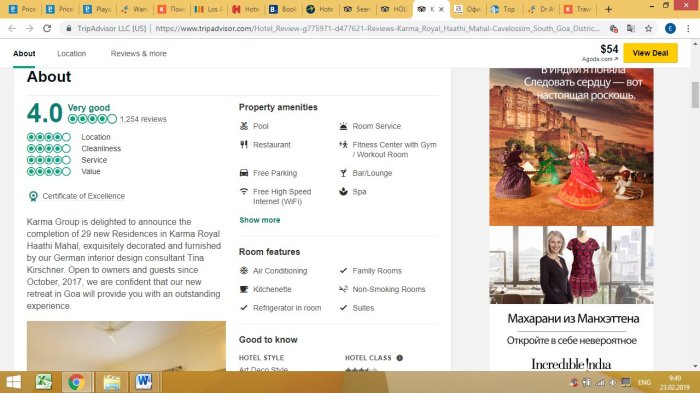
Several websites specialize in aggregating hotel reviews, such as TripAdvisor, Booking.com, Expedia, and Google Hotels. Each platform has its own features and filtering options, allowing you to refine your search and focus on reviews relevant to your needs. For example, you can filter reviews by date, rating, or even specific amenities. Pay attention to the overall rating and the distribution of ratings.
A hotel with a high average rating but a significant number of low ratings may indicate inconsistency in service or quality. Reading reviews across multiple platforms can provide a more balanced perspective, as different platforms may attract different types of reviewers. Consider also focusing on reviews that mention aspects important to you, such as proximity to public transport, specific amenities (e.g., a pool, gym, or business center), or the quality of the Wi-Fi.
Analyzing Review Content for Specific Information
When analyzing reviews, look for recurring themes or patterns. For example, multiple reviews mentioning noise issues suggest a potential problem with soundproofing. Similarly, consistent complaints about cleanliness or staff behavior should raise concerns. Pay attention to the specifics provided in the reviews – a review stating “the room was dirty” is less informative than one that details specific issues, such as stained carpets or a poorly cleaned bathroom.
Comparing reviews from different sources and focusing on consistent issues can provide a clearer picture of the hotel’s strengths and weaknesses. Look for reviews written by travelers with similar travel styles and preferences to yours; a family traveler’s review might be more relevant to you than a business traveler’s review if you’re traveling with children.
RV and Camper Travel
RV and camper travel offers a unique blend of freedom and adventure, allowing travelers to explore at their own pace and experience destinations in a way that’s different from traditional hotels or vacation rentals. This mode of travel, however, comes with its own set of advantages and disadvantages that prospective travelers should carefully consider before embarking on their journey.RV and camper travel provides unparalleled flexibility.
You’re not confined to a set itinerary; you can change your plans on a whim, extending your stay in a location you love or quickly moving on if something doesn’t suit you. The cost savings can also be significant, especially for larger groups, as you eliminate the expense of multiple hotel rooms and daily meals. Furthermore, the immersive experience of nature and the convenience of having your home with you are compelling advantages.
Advantages and Disadvantages of RV and Camper Travel
RV and camper travel offers a compelling alternative to traditional travel methods. The freedom to explore at your own pace and the ability to bring all the comforts of home along for the ride are major draws. However, it’s crucial to acknowledge the potential drawbacks to ensure a smooth and enjoyable trip. The advantages include flexibility in itinerary, potential cost savings, and the immersive experience of nature.
Disadvantages include the initial investment cost of the vehicle, potential maintenance expenses, and the limitations of space and amenities compared to traditional accommodations. Furthermore, driving and navigating an RV can be challenging, especially for inexperienced drivers, and finding suitable campsites can sometimes be difficult, particularly during peak season.
Essential Items for RV and Camper Travel
A well-planned packing list is crucial for a comfortable and enjoyable RV or camper trip. Overlooking even minor items can quickly turn a relaxing vacation into a stressful ordeal. Therefore, a comprehensive checklist should be prepared well in advance.
- Navigation and Communication: GPS device, maps (paper and digital), cell phone with charger, satellite phone (for remote areas).
- Cooking and Food: Cooking utensils, cookware, plates, cutlery, cooler, non-perishable food items, water.
- Sleeping and Bedding: Pillows, blankets, sleeping bags (depending on climate), sheets.
- Clothing and Personal Items: Appropriate clothing for all weather conditions, toiletries, medications, first-aid kit.
- Maintenance and Safety: Basic tools, spare tire, jack, wheel chocks, emergency flares, flashlight.
- Entertainment and Recreation: Books, games, movies, portable speakers.
- Cleaning Supplies: Dish soap, sponges, towels, trash bags.
Tips for Planning and Executing a Successful RV or Camper Trip
Careful planning is key to a smooth and enjoyable RV or camper trip. This includes selecting the right vehicle for your needs, researching your destinations, and making reservations in advance, particularly for popular campsites. Moreover, understanding the operational aspects of your RV or camper and anticipating potential challenges is crucial.
- Route Planning: Plan your route in advance, considering the size and weight of your RV or camper. Factor in potential road closures, construction, and steep grades. Utilize online resources to check for RV-friendly routes and campsites.
- Campsite Reservations: Reserve campsites well in advance, especially during peak season. Consider factors like proximity to amenities, accessibility, and the level of privacy desired.
- Vehicle Maintenance: Ensure your RV or camper is in good working order before you depart. Check tires, brakes, fluids, and other essential components. Consider a pre-trip inspection by a mechanic.
- Emergency Preparedness: Pack a comprehensive first-aid kit and familiarize yourself with basic RV maintenance procedures. Have a plan in place for emergencies, including breakdowns and unexpected weather conditions.
- Budgeting: Account for fuel costs, campsite fees, food, and other expenses. Consider unexpected costs such as repairs or emergency services.
Unique Stays and Treehouses
Stepping outside the typical hotel experience opens a world of adventure and unique accommodations. Beyond standard rooms, a range of unconventional lodging options offer memorable travel experiences, catering to diverse preferences and budgets. From rustic charm to luxurious escapes, these alternatives provide a deeper immersion into the destination’s character and environment.These unique stays offer a chance to connect with nature, experience local culture in a more authentic way, and create lasting travel memories.
Whether you seek a romantic getaway, a family adventure, or a solo retreat, the possibilities are vast and exciting.
Types of Unique Accommodations
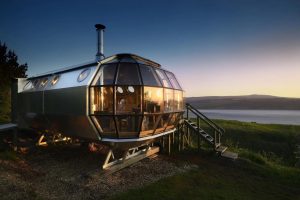
Unique accommodations encompass a diverse range of options, each offering a distinctive experience. Treehouses, for instance, provide a whimsical escape, nestled amongst the branches, offering stunning views and a connection with nature. Yurts, traditional circular tents, provide a blend of comfort and nomadic charm, often found in scenic landscapes. Cabins, ranging from rustic log structures to modern, luxurious retreats, offer a cozy and secluded escape, often situated in mountainous or forested areas.
These accommodations provide a diverse spectrum of options to suit various tastes and travel styles.
Examples of Unique Accommodations Around the World
The Treehotel in Harads, Sweden, offers a collection of uniquely designed treehouses, each with its own distinct architectural style and breathtaking views of the surrounding forest. Imagine sleeping in a mirrored cube that blends seamlessly with its environment, or a bird’s nest-like structure offering unparalleled panoramic vistas. In contrast, the yurts at the Yurt Village in Mongolia offer a traditional and authentic nomadic experience, providing a glimpse into the local culture and lifestyle.
For a luxurious cabin experience, consider the luxurious cabins found in various locations across Canada, often boasting stunning lake views and private hot tubs. These examples illustrate the global diversity of unique accommodations.
Websites and Platforms for Booking Unique Stays
Several websites and platforms specialize in connecting travelers with unique accommodations. Airbnb, a well-known platform, offers a wide selection of unique stays, from treehouses and yurts to castles and converted barns. Booking.com also features a range of unique properties, often highlighting their distinctive features and amenities. Vrbo (Vacation Rentals By Owner) focuses on vacation rentals, including many unique and unconventional options.
Finally, specialized platforms like Glamping Hub cater specifically to glamorous camping and unique outdoor accommodations. These platforms offer a convenient way to discover and book unusual and memorable stays worldwide.
Houseboat and Yacht Stays
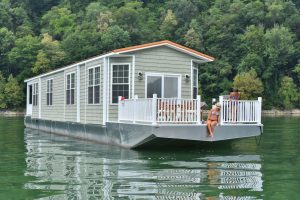
Choosing between a houseboat and a yacht vacation depends largely on your desired level of luxury, activity preference, and budget. Both offer unique ways to experience the water, but cater to different styles of travel. While a yacht provides a more luxurious and potentially faster mode of travel, a houseboat offers a more relaxed and immersive experience, often at a more affordable price point.Houseboats and yachts share the commonality of water-based accommodation, providing a unique perspective and access to various water activities.
However, they differ significantly in terms of size, amenities, speed, and overall experience. Yachts are generally faster, more maneuverable, and equipped with more sophisticated navigation systems, while houseboats prioritize spacious living areas and often include amenities geared towards family-friendly relaxation.
Houseboat versus Yacht: Key Differences
Houseboats are typically larger and slower vessels, designed for leisurely cruising and extended stays. They often feature multiple bedrooms, kitchens, and living areas, making them ideal for families or groups. Yachts, on the other hand, are generally smaller and faster, prioritizing speed and maneuverability. They often boast more luxurious amenities, such as spacious cabins, high-end entertainment systems, and perhaps even a crew.
The level of self-sufficiency also differs; houseboats usually require more self-reliance in terms of navigation and maintenance, while yachts may offer a crew to handle these aspects.
Planning a Houseboat or Yacht Vacation
Careful planning is crucial for a successful houseboat or yacht vacation. Consider the time of year, as weather conditions can significantly impact your experience. Research potential destinations and choose one that aligns with your interests and budget. Book your vessel well in advance, especially during peak season. Familiarize yourself with the operation of the vessel, whether through a pre-trip briefing or prior experience.
Pack appropriately for both warm and cool weather, and include essentials such as sunscreen, insect repellent, and appropriate clothing for water activities. Lastly, consider travel insurance to cover unforeseen circumstances.
Popular Houseboat and Yacht Destinations
The popularity of houseboat and yacht destinations varies based on climate and available infrastructure. For houseboat vacations, the inland waterways of Europe (particularly France and Germany), and the many lakes in North America (like Lake Powell in the USA or the Great Lakes) offer extensive networks of navigable waterways. For yacht vacations, the Mediterranean Sea, the Caribbean, and the coast of Thailand are all highly popular choices, each offering unique scenery and experiences.
Destinations like the British Virgin Islands or the Greek Islands are particularly renowned for their yacht charter opportunities, often catering to a more luxurious clientele. Consider the type of experience you are seeking – secluded coves and calm waters for houseboats versus open ocean cruising and vibrant harbors for yachts – when making your choice.
Mastering the art of hotel booking requires a blend of strategic planning and informed decision-making. By understanding the factors influencing hotel pricing, leveraging available tools and resources, and carefully considering your needs and preferences, you can significantly enhance your travel experience and secure the best possible value for your money. Remember to always read reviews, compare prices, and understand cancellation policies before confirming your booking.
Happy travels!
Question Bank: Hotel Booking Advice
How far in advance should I book a hotel for the best price?
The optimal booking window varies depending on the destination and time of year. Generally, booking 2-3 months in advance offers a good balance between securing a reservation and potentially finding lower prices. However, last-minute deals can sometimes be available, particularly during off-season.
What should I do if my hotel booking has a non-refundable policy?
Carefully review the cancellation policy before booking. If you’re unsure about your travel plans, consider purchasing travel insurance to protect yourself against unexpected changes. For non-refundable bookings, explore options like reselling your reservation on specialized platforms if you cannot travel.
How can I find hotels with pet-friendly policies?
Most major booking websites allow you to filter search results to display only pet-friendly hotels. Look for specific mentions of pet policies on the hotel’s website or contact the hotel directly to confirm details such as fees and restrictions.