Best Time of Year to Book Domestic Flights: Navigating the complexities of airfare can feel like a daunting task, but understanding the underlying trends can significantly impact your travel budget. This guide delves into the optimal times to book domestic flights, exploring seasonal variations, the influence of specific routes, and even the impact of the day of the week on pricing.
By understanding these factors, you can significantly increase your chances of securing the best possible fares for your next domestic adventure.
We’ll explore how factors like peak travel seasons, holidays, and even the day you book affect prices. We’ll compare average prices across different booking windows and highlight specific domestic routes to illustrate the ideal booking times. We’ll also discuss strategies to find hidden deals, use flexible travel dates, and maximize rewards programs. Ultimately, our goal is to equip you with the knowledge to make informed decisions and save money on your next domestic flight.
Best Time to Book Domestic Flights
Planning a domestic trip often involves navigating the complexities of airfare pricing. Understanding the best time to book can significantly impact your travel budget. This section explores overall trends in domestic flight pricing, helping you make informed decisions.
Best Time to Book Domestic Flights: Overall Trends
Generally, the cheapest domestic flights within the United States are found during the off-season, typically between November and April (excluding major holidays). However, specific dates and prices vary widely depending on several factors. Peak seasons, such as summer vacations and major holidays, inevitably drive prices up due to increased demand. Conversely, shoulder seasons (periods just before and after peak seasons) often present opportunities for better deals, as airlines adjust pricing to balance occupancy.
Factors Influencing Domestic Flight Price Fluctuations
Several factors contribute to the fluctuation of domestic flight prices throughout the year. Seasonality plays a major role, with higher demand during school holidays and summer months leading to increased prices. Major holidays, such as Thanksgiving, Christmas, and New Year’s, also experience significant price surges. Furthermore, special events, like large conferences or festivals in specific cities, can locally inflate airfare costs.
Finally, the day of the week you fly can also impact the price; mid-week flights are often cheaper than weekend flights.
Average Flight Prices Across Different Booking Windows
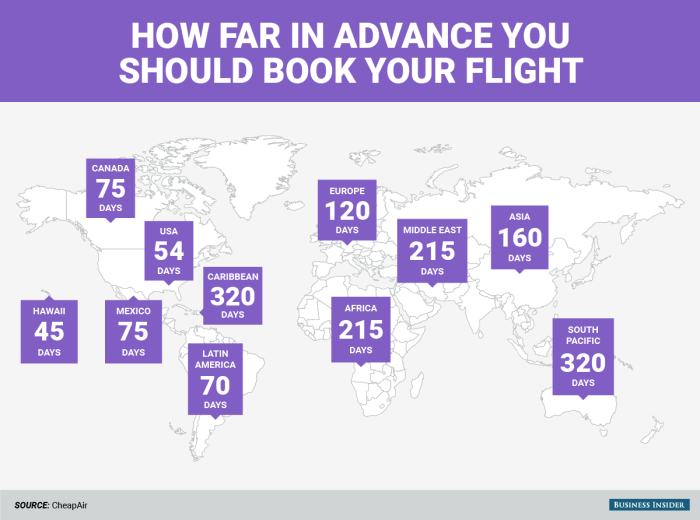
Booking well in advance doesn’t always guarantee the lowest price, and waiting until the last minute can be risky. Generally, booking domestic flights 3-6 months in advance provides a reasonable balance between securing a flight and potentially benefiting from lower fares. Booking one month out often results in higher prices, and booking within a week of departure usually yields the highest prices, except for last-minute deals which are sometimes available.
However, this is not a hard and fast rule, and spontaneous deals can appear at any time.
Average Domestic Flight Price Changes by Month
The following table presents hypothetical average price changes for various domestic routes. These are illustrative examples and actual prices will vary depending on the specific route, airline, and booking platform. Remember to always compare prices across multiple platforms before making a decision.
| Month | New York – Los Angeles | Chicago – Miami | Denver – Seattle | Atlanta – Dallas |
|---|---|---|---|---|
| January | $350 | $280 | $250 | $180 |
| April | $400 | $320 | $300 | $220 |
| July | $550 | $450 | $400 | $300 |
| October | $450 | $380 | $350 | $250 |
Hotel Reviews and Tips: Best Time Of Year To Book Domestic Flights
Choosing the right hotel can significantly impact your trip. Navigating the plethora of online reviews and understanding what factors truly matter can be challenging. This section provides a framework for evaluating hotel reviews and offers advice on selecting accommodations that meet your specific needs.Understanding the nuances of hotel reviews is crucial for making informed decisions. Many reviews are subjective, reflecting individual experiences and preferences that may not align with your own.
It’s essential to look beyond simple star ratings and delve into the specifics of what reviewers are saying.
Evaluating Hotel Reviews
To effectively evaluate hotel reviews, consider the following. First, look for patterns in both positive and negative feedback. Multiple mentions of the same issue, whether positive or negative (e.g., consistently excellent service or consistently noisy rooms), are more reliable indicators than isolated comments. Second, pay close attention to the reviewer’s profile and history. A seasoned traveler with numerous reviews may offer a more balanced perspective than a first-time reviewer.
Third, assess the specificity of the review. Vague comments like “great hotel” are less helpful than detailed descriptions of specific aspects like room cleanliness, staff friendliness, or the quality of amenities. Finally, compare reviews across multiple platforms (e.g., TripAdvisor, Booking.com, Expedia) to get a more holistic view. Inconsistencies across platforms might indicate unreliable reviews or highlight specific areas of concern.
Choosing Hotels Based on Specific Needs, Best Time of Year to Book Domestic Flights
Selecting a hotel depends on individual priorities and travel style. For budget travelers, prioritizing price-to-value is essential. This might involve opting for hotels outside the city center or choosing accommodations with basic amenities. Business travelers, on the other hand, may prioritize proximity to business districts, reliable Wi-Fi, and meeting facilities. Families often seek hotels with kid-friendly amenities such as pools, playgrounds, or family suites.
Those prioritizing relaxation might prefer hotels with spas, wellness centers, or scenic views. For example, a family traveling to Orlando, Florida, might prioritize a hotel near Disney World with a pool and kids’ club, while a business traveler in New York City might choose a hotel near their meetings with reliable internet access and a business center.
Identifying Potential Issues from Reviews
Recurring negative comments about specific aspects of a hotel can signal potential problems. For instance, multiple complaints about noise levels suggest a potential issue with soundproofing. Similarly, consistent negative feedback about cleanliness might indicate a lack of attention to hygiene standards. Reviews mentioning staff incompetence or unhelpful service should also be considered carefully. Examining the hotel’s response to negative reviews can offer further insight into their commitment to customer satisfaction and how they address issues.
A hotel that actively addresses negative feedback and offers solutions demonstrates a greater commitment to resolving problems.
RV and Camper Travel
RV and camper travel offers a unique blend of freedom and adventure, allowing travelers to explore destinations at their own pace and experience the open road firsthand. However, this mode of travel also presents certain challenges and requires careful planning. This section will explore the advantages and disadvantages of RV and camper travel, as well as provide essential tips for a successful trip.RV and camper travel offers a significant level of flexibility and independence.
Travelers can create customized itineraries, deviating from pre-planned routes as desired and spending more or less time in specific locations based on their preferences. The ability to cook meals in the RV or camper also reduces reliance on restaurants, potentially saving money and allowing for healthier eating habits. Furthermore, the immersive nature of this type of travel often leads to a deeper connection with the landscapes and destinations being explored.
Conversely, RV and camper travel can be more expensive than traditional methods of travel, especially when considering fuel costs, campground fees, and potential maintenance or repair expenses. Driving and maneuvering a large RV can also be challenging, particularly for inexperienced drivers or in densely populated areas. Space constraints within an RV or camper can also be a drawback for larger groups or those accustomed to more spacious accommodations.
Advantages of RV and Camper Travel
The primary advantage is the unparalleled freedom and flexibility it offers. Unlike hotels or pre-booked tours, RV and camper travel allows spontaneous changes of plans, extended stays in favorite locations, and exploration of off-the-beaten-path destinations. Imagine discovering a hidden gem of a national park and deciding to stay for an extra day or two without the hassle of rebooking accommodations.
Another significant advantage is the cost savings associated with cooking your own meals. Restaurant expenses can quickly add up, but with an RV or camper, you have the option of preparing meals yourself, leading to significant budget savings, particularly on longer trips. Finally, the immersive experience is unparalleled. You’re not just visiting a place; you’re living in it, waking up to stunning views and falling asleep under the stars.
Disadvantages of RV and Camper Travel
The initial investment and ongoing maintenance costs can be substantial. Purchasing an RV or camper is a significant financial commitment, and ongoing maintenance, repairs, and insurance can add up. Fuel costs are another significant factor to consider, especially for larger RVs, which can have poor fuel economy. Driving and maneuvering a large RV or camper can be challenging, requiring specific driving skills and experience.
Navigating narrow roads, parking in crowded areas, and handling the vehicle in adverse weather conditions can pose difficulties. Finally, the limited space within an RV or camper can be a constraint, especially for larger groups or families. Storage space can be limited, and the confined living quarters may not suit everyone’s preferences.
Tips for Planning an RV or Camper Trip
Careful planning is crucial for a successful RV or camper trip. Begin by determining your budget and the type of RV or camper that best suits your needs and budget. Consider factors such as size, amenities, and fuel efficiency. Next, research your route and book campsites in advance, especially during peak season. Many popular campgrounds fill up quickly, so advance reservations are essential.
Finally, create a detailed packing list, ensuring you have all the necessary supplies for cooking, sleeping, and personal hygiene. Remember to include items such as leveling blocks, sewer hoses, and electrical hookups, depending on your RV and campsite amenities. Regular maintenance checks before and during your trip are also crucial to avoid unexpected breakdowns. Regularly checking tire pressure, fluid levels, and other vital components will help ensure a smooth journey.
Unique Stays and Treehouses
Stepping outside the traditional hotel experience offers a chance to create truly memorable travel memories. Beyond the standard hotel chains, a world of unique accommodations awaits, providing a deeper connection with the destination and a more immersive travel experience. From quirky cabins to luxurious treetop escapes, these alternative lodgings offer a range of styles and budgets.Many travelers are seeking more than just a place to sleep; they desire an experience.
This shift in preference has fueled the rise in popularity of unique stays, offering everything from historic charm to modern architectural marvels, and providing opportunities for adventure and relaxation in equal measure.
Treehouse Accommodations Across the US
Treehouses provide a whimsical and enchanting escape, offering a unique perspective on the surrounding landscape. These accommodations range from rustic and simple to luxurious and elaborate, often incorporating sustainable and eco-friendly design elements. Many locations offer stunning views, peaceful seclusion, and a chance to reconnect with nature.Examples of notable treehouse accommodations include those found in the Pacific Northwest, known for their lush forests and stunning natural beauty.
Imagine waking up to the sounds of birdsong and the sight of towering evergreens, a truly immersive experience. Similarly, treehouse resorts in states like Tennessee and Oregon offer various amenities, from private balconies overlooking forests to hot tubs nestled amongst the trees. The design and amenities vary greatly depending on the location and the resort’s specific style. Some offer basic amenities, while others offer luxury accommodations with spa services and fine dining.
Boutique Hotels and Unique Lodgings
Beyond treehouses, a wealth of unique hotel options cater to diverse preferences. These boutique hotels often showcase local artistry, design, and culture, providing a more personalized and authentic experience than larger chain hotels. They frequently feature unique architectural styles, locally sourced materials, and curated collections of art and design.For instance, a converted historic building in a vibrant city center might offer a glimpse into the past, while a modern, eco-friendly hotel in a remote location might emphasize sustainable practices and breathtaking views.
Consider a hotel built into a cliffside in the Southwest, showcasing stunning desert landscapes, or a charming inn nestled in a quaint New England town, embodying local history and character. These diverse examples illustrate the variety and appeal of unique boutique hotels across the country.
Houseboat and Yacht Stays
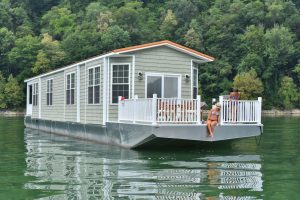
Houseboat and yacht stays offer a unique blend of adventure and relaxation, providing a truly memorable travel experience unlike traditional hotels or vacation rentals. These floating accommodations allow you to explore waterways at your own pace, enjoying stunning scenery and unparalleled access to nature, all while enjoying the comforts of a well-equipped vessel. The sense of freedom and independence is a major draw for many travelers seeking something different.The appeal lies in the combination of luxurious comfort and the thrill of exploring hidden coves, secluded waterways, and charming waterfront towns.
Imagine waking up to breathtaking sunrises over calm waters, spending the day swimming, fishing, or simply relaxing on deck, and then enjoying a delicious meal prepared in your own onboard kitchen, all while gently drifting along a picturesque river or cruising the open ocean. This unique perspective offers a completely different way to experience a destination.
Houseboat Vacation Destinations
Houseboats are popular in various locations worldwide, each offering a distinct experience. For example, the waterways of the Great Lakes in the United States offer a tranquil escape with opportunities for fishing and exploring charming small towns along the shore. The calm waters of the Florida Everglades provide a unique perspective on this diverse ecosystem, while the waterways of the Pacific Northwest offer dramatic scenery and abundant wildlife viewing opportunities.
In Europe, the canals of France and the Netherlands are popular choices, allowing for exploration of historic towns and picturesque villages. The houseboat experience varies greatly depending on the location, offering a tailored experience for every preference.
Yacht Charter Locations
Yacht charters provide a luxurious and adventurous way to explore coastal regions and islands around the globe. The Mediterranean Sea, with its stunning coastline, crystal-clear waters, and historical significance, is a popular destination for yacht charters. The Greek Islands, the French Riviera, and the Italian coastline all offer unique experiences, from exploring ancient ruins to indulging in fine dining and luxurious amenities.
The Caribbean Sea, with its pristine beaches, vibrant coral reefs, and tropical climate, is another popular choice. Destinations like the Bahamas, the British Virgin Islands, and St. Lucia provide idyllic settings for a luxurious yacht vacation. Furthermore, the coasts of Southeast Asia, particularly Thailand and Vietnam, offer a blend of vibrant culture, stunning beaches, and delicious cuisine, making them increasingly popular yacht charter destinations.
Securing affordable domestic flights requires strategic planning and a keen understanding of market trends. By leveraging the insights presented in this guide – from understanding seasonal price fluctuations and optimal booking windows to employing smart booking strategies and utilizing price comparison tools – you can significantly enhance your chances of securing the best possible fares. Remember, flexibility with your travel dates and a proactive approach to your search can unlock substantial savings, making your domestic travel aspirations more accessible and enjoyable.
Popular Questions
What are the best websites for comparing flight prices?
Several websites offer robust flight comparison tools, including Google Flights, Kayak, Skyscanner, and Expedia. Each has its strengths, so it’s beneficial to check multiple sites.
Are basic economy fares always the cheapest?
While often the cheapest upfront, basic economy fares frequently come with restrictions on baggage, seat selection, and changes. Weigh the cost savings against potential inconveniences.
How can I avoid hidden fees when booking flights?
Carefully review the total cost before confirming your booking. Pay attention to baggage fees, seat selection charges, and any other add-ons. Many airlines now clearly display the total price, including fees, upfront.