Eco-Friendly Cruise Ship Options and Reviews: The cruise industry, often criticized for its environmental impact, is undergoing a significant transformation. This exploration delves into the burgeoning world of eco-conscious cruising, examining the innovative technologies, sustainable practices, and responsible itineraries that are shaping the future of sea travel. We’ll navigate the complexities of eco-certifications, analyze passenger reviews, and compare the costs of sustainable versus traditional cruises, ultimately guiding you towards a more environmentally responsible vacation.
From hybrid engines and waste management systems to sustainable sourcing and shore excursions that minimize environmental impact, we’ll examine the various facets of eco-friendly cruising. We will also consider alternative sustainable travel options, providing a comprehensive overview to help you make informed choices for your next adventure.
Exploring Sustainable Cruise Itineraries
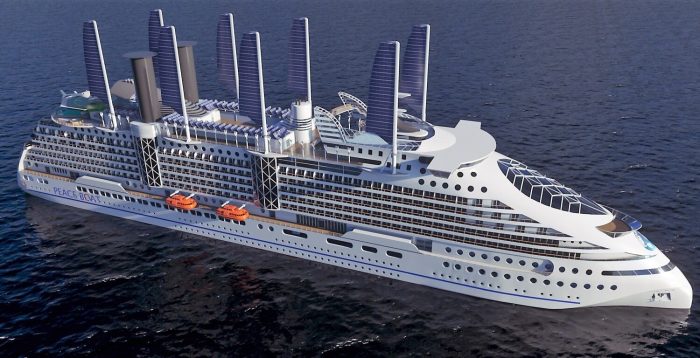
Choosing a cruise that minimizes environmental impact is becoming increasingly important for environmentally conscious travelers. Sustainable cruise itineraries prioritize destinations with robust environmental protection measures and offer onshore excursions that respect local ecosystems and cultures. This approach contributes significantly to responsible tourism and helps preserve the beauty of our planet for future generations.
Environmentally Sensitive Destinations
Several cruise lines are now offering itineraries specifically designed to reduce their ecological footprint. These itineraries often focus on destinations actively involved in conservation efforts and committed to sustainable tourism practices. For example, itineraries might include visits to national parks or marine reserves with stringent environmental regulations. These destinations often have established eco-tourism programs, providing opportunities for responsible exploration and interaction with nature.
Cruises featuring the Galapagos Islands, the Norwegian Fjords, or the Antarctic Peninsula are prime examples of this trend. These locations are often chosen due to their unique and fragile ecosystems, which necessitates a higher degree of environmental responsibility from both cruise operators and visitors.
Examples of Low-Impact Onshore Excursions
Sustainable onshore excursions emphasize minimizing disruption to the environment and maximizing positive engagement with local communities. Instead of large-scale bus tours, these excursions might involve smaller group hikes led by local guides who are knowledgeable about the area’s flora and fauna. Kayaking or paddleboarding tours can offer a low-impact way to explore coastal ecosystems, while visits to locally owned businesses and artisan workshops support the local economy and culture without excessive consumption or waste.
Birdwatching expeditions, guided nature walks focusing on responsible wildlife observation, and participation in beach clean-up initiatives are also examples of sustainable excursion activities.
Responsible Tourism and Sustainable Cruising
Responsible tourism plays a pivotal role in ensuring the long-term viability of sustainable cruising. This involves tourists actively making choices that minimize their environmental impact and support local communities. Choosing cruise lines with demonstrably strong environmental policies and certifications is crucial. This might involve looking for companies actively reducing emissions, investing in renewable energy sources, and implementing waste management programs.
Furthermore, responsible tourists should actively participate in sustainable onshore activities, respect local customs and traditions, and support businesses committed to environmental stewardship. By actively engaging in responsible tourism practices, individuals contribute to a positive feedback loop, encouraging the growth of sustainable tourism initiatives within the cruise industry.
Destinations Committed to Environmental Protection
Several destinations are renowned for their dedication to environmental protection and sustainable tourism. These include:
- The Galapagos Islands (Ecuador): A UNESCO World Heritage site with strict regulations to protect its unique biodiversity.
- The Norwegian Fjords (Norway): A stunning landscape with a focus on sustainable tourism practices.
- Antarctica: A pristine environment with strict regulations to minimize human impact.
- Costa Rica: Known for its commitment to ecotourism and biodiversity conservation.
- Belize Barrier Reef (Belize): A UNESCO World Heritage site with ongoing efforts to protect its coral reefs.
These destinations represent a commitment to balancing tourism with environmental protection, offering opportunities for enriching travel experiences while preserving the natural beauty for future generations. Choosing to cruise to these destinations directly supports their ongoing conservation efforts.
Comparing Eco-Friendly Cruise Costs
Eco-friendly cruises often command a higher price tag than their traditional counterparts. This difference, however, isn’t simply a matter of inflated pricing; it reflects the significant investment in sustainable technologies, practices, and operational changes that distinguish these voyages. Understanding these cost variations allows for a more informed decision-making process when planning your next cruise.The price disparity between eco-friendly and traditional cruises stems from several key factors.
Firstly, sustainable cruise lines invest heavily in cleaner technologies, such as advanced wastewater treatment systems, fuel-efficient engines, and shore power connections to reduce reliance on onboard generators. These technologies require substantial upfront capital investment and ongoing maintenance costs. Secondly, eco-conscious operators often prioritize sourcing local and sustainably produced food, which can be more expensive than mass-produced options.
They may also employ smaller crew-to-passenger ratios, leading to increased labor costs. Finally, commitment to environmental conservation often includes partnerships with local communities and environmental organizations, incurring additional financial obligations.
Factors Contributing to Cost Differences
Several factors significantly influence the price difference between eco-friendly and traditional cruise options. The use of alternative fuels, such as liquefied natural gas (LNG), or hybrid propulsion systems, adds considerable expense. Similarly, implementing robust waste management programs, including comprehensive recycling and composting systems, increases operational costs. Furthermore, investments in reducing carbon emissions through energy-efficient design and operational practices add to the overall price.
Finally, eco-friendly cruises often incorporate educational programs and onboard activities promoting environmental awareness, further contributing to the higher cost.
Value Proposition of Sustainable Cruising, Eco-Friendly Cruise Ship Options and Reviews
While the upfront cost of an eco-friendly cruise may be higher, the value proposition extends beyond the immediate financial aspect. Investing in a sustainable cruise experience contributes directly to environmental protection and supports responsible tourism practices. Passengers actively participate in minimizing their environmental footprint while enjoying a high-quality travel experience. This aligns with the growing global awareness of climate change and the desire for responsible travel choices.
Furthermore, many eco-friendly cruises offer unique itineraries focused on exploring pristine natural environments, providing an unparalleled and enriching travel experience.
Price Comparison Table
The following table provides a hypothetical price comparison for similar 7-day Caribbean itineraries from different cruise lines, highlighting the price differences between traditional and eco-friendly options. Note that actual prices vary based on cabin type, season, and booking time.
| Cruise Line | Itinerary | Cruise Type | Price (per person) |
|---|---|---|---|
| Oceania Cruises | Eastern Caribbean | Traditional | $1500 |
| Hurtigruten | Caribbean Exploration | Eco-Friendly | $2200 |
| Royal Caribbean | Western Caribbean | Traditional | $1200 |
| Lindblad Expeditions | Caribbean Islands & Reefs | Eco-Friendly | $3000 |
Exploring Alternative Sustainable Travel Options: Eco-Friendly Cruise Ship Options And Reviews
Choosing sustainable travel goes beyond eco-friendly cruises. Numerous alternatives offer comparable environmental benefits, often with unique cultural immersion and personal experiences. This section explores several such options, weighing their advantages and disadvantages to help you plan your next responsible adventure.
Train Travel versus Cruises: A Comparative Analysis
Train travel and cruises present contrasting approaches to sustainable tourism. Trains generally boast a lower carbon footprint per passenger than cruise ships, particularly when electric or hybrid trains are utilized. However, the scenic routes offered by cruises are difficult to replicate by train. Train journeys can be more time-consuming, particularly for long distances, whereas cruises offer multiple destinations within a single trip.
The cost can also vary significantly; while certain luxury train journeys are expensive, budget-friendly train travel options exist, making them potentially cheaper than some cruises. Cruise ships often include all-inclusive amenities, whereas train travel usually requires separate bookings for accommodation and meals.
Popular Train Routes: Practical Travel Guides
The Trans-Siberian Railway, stretching across Russia, offers a breathtaking journey through diverse landscapes and cultures. Practical considerations include securing visas well in advance, booking tickets months ahead, particularly during peak season, and packing for varied climates. Europe’s high-speed rail network provides efficient travel between major cities. Pre-booking tickets is advisable, especially during summer, and utilizing rail passes can offer significant cost savings for multi-city trips.
Amtrak’s Coast Starlight route in the USA offers stunning Pacific coastline views; reservations are recommended, and travelers should consider the varying levels of service and amenities.
Budget-Friendly Accommodation: Hostels and Guesthouses
Hostels provide affordable lodging options, often with shared rooms, fostering social interaction. They are commonly found in city centers, offering easy access to attractions. Guesthouses, typically smaller and family-run, provide a more personalized experience, often with locally-sourced breakfasts and insights into the region’s culture. Booking in advance, especially during peak seasons, is vital, and researching reviews helps ensure a comfortable stay.
Vacation Rentals and Airbnbs versus Hotels
Vacation rentals and Airbnbs offer more space and often a more home-like atmosphere than hotels. They can be more cost-effective for groups or families. However, amenities may be less consistent than in hotels, and cleaning responsibilities often fall on the renter. Careful review of guest comments and property descriptions is essential to ensure a satisfactory stay.
Finding and Booking Affordable Flights
Flight comparison websites, such as Google Flights, Skyscanner, and Kayak, allow comparison of prices from multiple airlines. Utilizing flexible date searches and considering alternative airports can significantly reduce costs. Travel during the shoulder season (periods before and after peak season) often results in lower fares. Signing up for airline newsletters and price alerts can help identify deals.
Planning a Road Trip: Essential Tips
- Route Planning: Utilize mapping software to determine the optimal route, factoring in distances, traffic, and potential points of interest.
- Accommodation: Book campsites or budget-friendly motels in advance, particularly during peak seasons. Consider utilizing apps for finding last-minute deals.
- Budgeting: Allocate funds for fuel, tolls, accommodation, food, and potential unexpected expenses. Tracking expenses throughout the trip helps manage the budget effectively.
RV and Camper Travel: Cost-Effectiveness and Flexibility
RV and camper travel offer cost savings on accommodation, especially for longer trips. The flexibility to explore at one’s own pace and enjoy nature’s beauty are key advantages. However, maintenance and insurance costs should be factored into the budget. Careful planning of campsites and adherence to campground regulations are essential.
Unique Accommodation Options: Treehouses and Houseboats
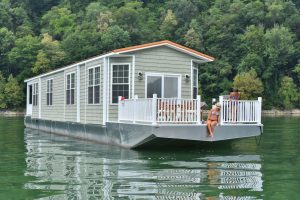
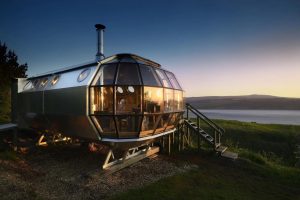
Treehouses provide a unique and immersive nature experience. They range from rustic cabins to luxurious retreats, often located in secluded natural settings. Houseboats offer a different perspective, allowing exploration of waterways and lakes. Bookings should be made well in advance, especially for popular locations.
Houseboat and Yacht Stays: Rental Options and Locations
Houseboat rentals are available in numerous locations worldwide, from tranquil canals to vast lakes. Options range from basic vessels to luxurious yachts with multiple cabins and amenities. Yacht charters offer a more luxurious experience, often with crew included. Booking through reputable companies is crucial to ensure safety and quality.
Comparative Analysis of Accommodation Options
| Accommodation Type | Cost | Comfort | Environmental Impact |
|---|---|---|---|
| Hostel | Low | Basic | Relatively Low |
| Guesthouse | Medium | Moderate | Moderate |
| Hotel | Medium to High | High | Moderate to High |
| Vacation Rental/Airbnb | Variable | Variable | Variable |
Illustrating Eco-Friendly Cruise Features
Eco-conscious cruise lines are increasingly implementing innovative technologies and practices to minimize their environmental impact. These advancements extend across various aspects of ship design, operation, and passenger experience, demonstrating a commitment to sustainable cruising. This section details some key features contributing to a greener cruise experience.
Waste Management Systems on Eco-Friendly Cruise Ships
Effective waste management is crucial for minimizing pollution. Eco-friendly cruise ships employ sophisticated systems to separate and process various waste streams. This often includes advanced waste compactors that reduce the volume of waste requiring disposal, as well as specialized systems for processing organic waste (food scraps) through composting or anaerobic digestion. Recycling programs are also a key feature, sorting materials like plastics, glass, and paper for proper recycling ashore.
These systems significantly reduce the amount of waste sent to landfills and help to recover valuable resources. For example, some ships use biodigesters to convert food waste into biogas, which can then be used as fuel.
Technologies to Reduce Fuel Consumption and Emissions
Minimizing fuel consumption is a cornerstone of eco-friendly cruising. Several technologies contribute to this goal. Advanced hull designs, incorporating features like hydrodynamic optimization, reduce drag and improve fuel efficiency. Energy-efficient engines and propulsion systems, including hybrid or dual-fuel engines capable of running on liquefied natural gas (LNG), significantly decrease emissions of greenhouse gases and other pollutants. Waste heat recovery systems capture heat generated by engines and utilize it for other onboard functions, such as heating water, further enhancing energy efficiency.
These technologies, when implemented comprehensively, can result in substantial reductions in a ship’s carbon footprint. For instance, a ship using LNG fuel could reduce its CO2 emissions by up to 20% compared to one using traditional fuel oil.
Sustainable Materials in Ship Construction and Operation
The construction and operation of eco-friendly cruise ships increasingly incorporate sustainable materials. This includes using recycled materials wherever possible in interior design and furnishings. Lightweight, yet strong, materials are chosen to reduce the overall weight of the vessel, leading to lower fuel consumption. Bio-based materials, derived from renewable resources, are also being explored for various applications, reducing reliance on petroleum-based products.
In terms of operation, the use of biodegradable cleaning products and other consumables contributes to a smaller environmental impact. The selection of locally sourced food and provisions further reduces the carbon footprint associated with transportation. For example, using bamboo flooring instead of traditional hardwood reduces the environmental impact of sourcing materials.
Onboard Initiatives Promoting Environmental Awareness
Eco-friendly cruise lines actively engage passengers in environmental stewardship through various onboard initiatives. Educational programs and workshops raise awareness about the importance of sustainable practices. Interactive displays highlight the ship’s eco-friendly features and the environmental impact of cruising. Waste reduction programs encourage passengers to participate in recycling and composting efforts. Many ships also incorporate initiatives to reduce water and energy consumption, encouraging passengers to conserve resources.
These initiatives aim to create a more environmentally conscious cruise experience, empowering passengers to contribute to sustainability. For example, a cruise line might offer a “sustainability challenge” for passengers, rewarding those who actively participate in onboard conservation efforts.
Choosing an eco-friendly cruise is not merely a trend; it’s a commitment to responsible travel. By understanding the various eco-initiatives implemented by cruise lines, considering passenger feedback, and comparing costs, travelers can make informed decisions that align with their values and contribute to a more sustainable future for the oceans. This exploration has highlighted the increasing availability of eco-conscious options, demonstrating that sustainable travel and an unforgettable cruise experience are not mutually exclusive.
Detailed FAQs
What are the most common environmental concerns related to cruises?
Common concerns include air and water pollution from fuel emissions, waste disposal, and the impact of large ships on delicate marine ecosystems.
How can I verify the authenticity of a cruise line’s eco-claims?
Look for independent certifications like those from reputable environmental organizations. Also, research the specific technologies and practices employed by the cruise line and cross-reference information with independent sources.
Are eco-friendly cruises significantly more expensive?
The price difference varies. While some eco-friendly cruises may be pricier due to the investment in sustainable technologies, many offer comparable or only slightly higher rates.
What are some tips for minimizing my environmental impact during a cruise?
Reduce waste by reusing towels, participate in onboard recycling programs, and choose shore excursions that prioritize sustainability and responsible tourism.