How to Travel by Train in Australia: Embark on a journey across the vast Australian landscape, experiencing its diverse terrains and iconic landmarks from the comfort of a train. This comprehensive guide unravels the intricacies of planning, booking, and enjoying your Australian rail adventure, offering insights into various train types, onboard experiences, and seamless connections with other transportation modes.
Prepare to discover the magic of traversing Australia by rail.
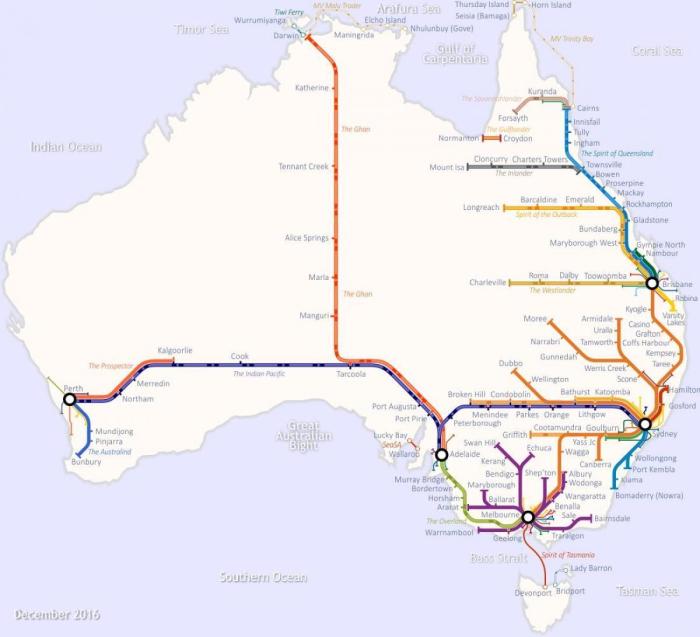
From the luxurious Gold Class carriages of The Ghan to the scenic routes of the Indian Pacific, Australia’s extensive rail network offers a unique and comfortable way to explore the country. This guide will equip you with the knowledge and strategies to plan your perfect train journey, ensuring a smooth and memorable experience. We’ll cover everything from choosing the right train line and booking your tickets to maximizing your comfort and enjoyment onboard, and even navigating connections with other transport options.
Road Trip Guides: How To Travel By Train In Australia
Embarking on a road trip across Australia offers a unique and unforgettable experience, vastly different from train travel. The open road allows for spontaneous detours and a deeper immersion in the country’s diverse landscapes. This section explores popular routes, contrasts driving with train travel, and provides a checklist for a successful Australian road trip.
Popular Australian Road Trip Routes
Australia boasts an extensive network of highways perfect for road trips. The Great Ocean Road in Victoria, for instance, is renowned for its dramatic coastal scenery, including the Twelve Apostles. Another iconic route is the Stuart Highway, traversing the vast Outback from Darwin to Adelaide, showcasing the rugged beauty of the interior. For a more leisurely pace, the Pacific Coast Highway offers stunning coastal views along the eastern seaboard.
These routes vary greatly in length and difficulty, catering to diverse preferences and experience levels. Each offers unique scenic highlights and opportunities for exploration, from national parks to charming coastal towns. Planning your route based on your interests and available time is crucial for a fulfilling journey.
Driving versus Train Travel: A Comparison
Choosing between a road trip and train travel depends on individual priorities. Driving offers unparalleled flexibility, allowing you to stop at will and explore hidden gems off the beaten track. However, it requires more planning, involves potential driving fatigue, and can be more expensive considering fuel costs, vehicle maintenance, and accommodation along the way. Train travel, conversely, is generally more relaxed and less stressful, with scenic views from the comfort of your seat.
However, it limits spontaneity and restricts access to less accessible areas. The ideal choice depends on the desired level of independence, budget, and time constraints. For example, someone seeking a relaxed pace and breathtaking views might opt for the Ghan train journey, while someone keen on exploring remote areas would choose a 4WD road trip.
Essential Road Trip Checklist for Australia
Thorough preparation is key to a smooth Australian road trip. A comprehensive checklist should include essential documents such as a driver’s license, vehicle registration, and insurance details. Navigation is crucial; a reliable GPS device or smartphone map application is indispensable. Australia’s vast distances necessitate a well-stocked vehicle, including ample water, non-perishable food supplies, and a first-aid kit.
Appropriate clothing for varied weather conditions is vital, along with sun protection, including hats and sunscreen. A portable power bank for charging electronic devices is highly recommended, along with a basic toolkit for minor vehicle repairs. Finally, consider purchasing an Australian SIM card for reliable mobile connectivity. Remembering these items can significantly enhance the enjoyment and safety of your road trip.
Budget Accommodation Tips
Australia offers a diverse range of accommodation options, and finding budget-friendly choices is key to enjoying a cost-effective trip. This section will explore various affordable accommodation types and provide practical tips for securing the best deals. Smart planning can significantly reduce your accommodation expenses, leaving you with more funds for exploring Australia’s incredible sights and experiences.Finding affordable accommodation in Australia involves understanding the different options available and utilizing various booking platforms effectively.
Budget travellers have a wealth of choices, each with its own pros and cons. Choosing the right option depends on your travel style, comfort preferences, and overall budget.
Hostel Accommodation
Hostels are a popular choice for budget-conscious travellers, particularly backpackers and solo adventurers. They offer dorm-style rooms, often with shared bathrooms and common areas, significantly reducing the cost per night compared to hotels. Many hostels also provide private rooms for those seeking more privacy. The social atmosphere is a major draw, fostering interactions with fellow travellers. However, a trade-off is a less private experience than a hotel.
Expect shared facilities and potentially some noise from other guests. Popular hostel booking websites include Hostelworld and Booking.com, which often feature filters for budget options and reviews from previous guests.
Budget Hotels and Motels
Budget hotels and motels offer a step up from hostels in terms of privacy, usually providing private rooms with en-suite bathrooms. They are generally more affordable than mid-range or luxury hotels, focusing on providing basic but comfortable amenities. These establishments are widely available across Australia, often located near transport hubs or tourist attractions. Websites like Expedia, Hotels.com, and Wotif are good resources for finding and comparing prices for budget hotels and motels across different locations.
Look for deals and discounts offered on these platforms.
Other Budget Options
Beyond hostels and budget hotels, alternative options exist for budget-conscious travellers. Consider Airbnb for apartments or rooms in private homes, offering a more local experience. Farm stays provide a unique and affordable way to experience rural Australia, often including meals. Camping is the most economical choice, especially in designated campgrounds, allowing you to enjoy nature while keeping costs low.
Websites and apps like Airbnb, Hipcamp (for camping), and Stayz offer a diverse range of options beyond traditional hotels.
Utilizing Booking Platforms and Apps
Numerous online platforms and mobile applications specialize in finding budget-friendly accommodations. These tools allow you to compare prices, read reviews, and filter results based on your criteria (budget, location, amenities). Websites like Booking.com, Expedia, and Hostelworld offer extensive listings and user reviews, helping you make informed decisions. Mobile apps like Skyscanner and Google Hotels provide convenient on-the-go searching and booking capabilities.
Remember to check for cancellation policies and compare prices across multiple platforms before booking to secure the best deal.
Vacation Rentals and Airbnb
Australia’s vast distances make train travel a popular choice, but for exploring specific regions or enjoying a more relaxed pace, vacation rentals and Airbnb offer compelling alternatives to hotels. These options provide a unique opportunity to experience local life and enjoy greater flexibility during your trip.Vacation rentals and Airbnb present a range of advantages and disadvantages for travellers. The benefits often outweigh the drawbacks, especially for families or groups travelling together, or for those seeking a longer stay.
Advantages and Disadvantages of Vacation Rentals
Vacation rentals, including those listed on Airbnb, offer several benefits. They typically provide more space than a hotel room, often including kitchens and laundry facilities, leading to cost savings on dining out and laundry services. Furthermore, they can offer a more authentic local experience, as they are often situated in residential areas, allowing for a deeper immersion in the Australian way of life.
However, potential drawbacks include a lack of hotel amenities like daily housekeeping and 24/7 concierge services. The level of cleanliness and maintenance can also vary significantly between properties, requiring careful research and selection. Finally, communication with the host might require more proactive engagement than simply interacting with hotel staff.
Choosing a Suitable Vacation Rental
Selecting the right vacation rental involves careful consideration of several factors. Firstly, location is paramount. Consider proximity to transport links, attractions, and amenities. Reading reviews from previous guests is crucial for gauging the cleanliness, accuracy of the listing description, and responsiveness of the host. Pay close attention to photos and descriptions, verifying that the property aligns with your needs and expectations.
For example, if you’re travelling with children, ensure the property is child-safe and includes appropriate amenities. Finally, confirming the cancellation policy is essential, protecting you in case of unforeseen circumstances.
Communicating Effectively with Vacation Rental Hosts
Clear and respectful communication is key to a positive experience with vacation rental hosts. Before booking, clarify any questions regarding the property, amenities, or local information. During your stay, maintain open communication regarding any issues or concerns. For example, if there’s a problem with an appliance, promptly inform the host to allow for timely resolution. After your stay, leaving a fair and honest review helps future guests and provides feedback to the host.
Remember that timely and polite communication fosters a positive relationship and contributes to a more enjoyable travel experience.
Hotel Reviews and Tips
Choosing accommodation is a crucial part of planning any Australian trip. This section provides a summary of hotel reviews, comparisons of booking platforms, and tips for securing the best deals. Understanding these aspects will significantly enhance your travel experience.Hotel reviews across Australia vary widely depending on location, star rating, and individual expectations. Generally, hotels in major cities like Sydney and Melbourne tend to receive higher ratings for amenities and service, but often come at a premium price.
Smaller towns and regional areas offer a more diverse range of options, from budget-friendly motels to charming boutique hotels, with reviews reflecting a mix of experiences based on individual property standards. Coastal locations frequently receive positive feedback for their scenic views, but may have limited amenities compared to city hotels.
Hotel Review Summaries Across Australia
Reviews consistently highlight the importance of location. Hotels conveniently located near public transport, attractions, or dining options receive overwhelmingly positive feedback. Amenities such as swimming pools, gyms, and on-site restaurants are also frequently mentioned in reviews, with their availability and quality impacting overall guest satisfaction. Service quality, encompassing friendliness and helpfulness of staff, cleanliness of rooms, and efficiency of check-in/check-out processes, plays a major role in shaping guest reviews.
For instance, reviews of the Shangri-La Hotel in Sydney often praise its impeccable service and stunning harbour views, while reviews of smaller, family-run hotels in regional areas frequently emphasize the warmth and hospitality of the owners.
Comparison of Hotel Booking Platforms
Several online platforms offer hotel booking services, each with unique features. Booking.com is known for its extensive selection and detailed reviews, while Expedia often offers package deals combining flights and accommodation. Hotels.com provides a rewards program offering a free night after ten stays, while Agoda focuses more on hotels in Asia, including Australia. Each platform has its strengths and weaknesses; users should compare prices and features before making a booking.
For example, while Booking.com might offer a wider selection of independent hotels, Expedia might provide better value for package deals.
Tips for Getting the Best Hotel Deals
Booking in advance, especially during peak season, can often secure lower rates. Utilizing price comparison websites allows for easy comparison of prices across different platforms. Consider travelling during the off-season or shoulder season to find better deals. Flexible travel dates also offer greater negotiating power. Lastly, subscribing to newsletters from hotel chains or booking platforms can provide access to exclusive deals and promotions.
For example, booking a hotel in the Australian outback during the wet season might offer significantly lower rates compared to the dry season.
RV and Camper Travel
Embarking on an Australian adventure in an RV or campervan offers a unique blend of freedom and immersion in the country’s diverse landscapes. This mode of travel allows for spontaneous detours, extended stays in breathtaking locations, and a level of self-sufficiency unmatched by other forms of transport. However, it’s crucial to understand both the advantages and potential challenges before hitting the road.RV and campervan travel presents significant benefits, primarily the flexibility to explore at your own pace.
You are not confined to scheduled tours or limited accommodation options. The ability to cook your own meals saves money and allows you to enjoy fresh, local produce. Furthermore, waking up to stunning scenery each morning, and having your accommodation readily available at each destination, significantly enhances the overall travel experience. However, challenges include the cost of vehicle rental or purchase, the responsibility of maintaining the vehicle, and the need for careful planning regarding fuel, water, and waste disposal.
Navigating remote areas can also present unforeseen mechanical issues or require advanced driving skills.
Essential Items for RV and Campervan Travel
A well-prepared packing list is paramount for a smooth and enjoyable RV or campervan journey. Overlooking even minor essentials can quickly transform a relaxing trip into a stressful ordeal. The following items should be considered vital for any Australian RV adventure.
- Navigation System and Maps: Reliable navigation is critical, especially in remote areas with limited mobile reception. Offline maps are highly recommended.
- Comprehensive First-Aid Kit: A well-stocked kit should include bandages, antiseptic wipes, pain relievers, anti-diarrheal medication, and any personal prescription medications.
- Emergency Supplies: This includes a spare tire, jack, wheel wrench, jump starter cables, flashlight with extra batteries, and a basic tool kit.
- Cooking and Food Supplies: Sufficient cooking utensils, cookware, plates, cutlery, and non-perishable food items are essential, particularly if you plan on venturing into remote areas with limited food options.
- Water Storage and Purification: Australia’s climate can be harsh, and access to potable water is not always guaranteed. Ample water storage and a water purification system are vital.
- Camping Gear: This includes sleeping bags, pillows, camping chairs, a portable table, and appropriate clothing for varying weather conditions.
- Waste Disposal System: Responsible waste disposal is crucial. Ensure you have appropriate bags for rubbish and a system for managing greywater (wastewater from sinks and showers).
Planning a Successful RV or Campervan Road Trip
Thorough planning is the cornerstone of a successful RV or campervan trip. Careful consideration of various factors can prevent unforeseen problems and maximize enjoyment.
- Route Planning: Research your desired route, considering distances, road conditions, and potential attractions along the way. Account for realistic driving times, factoring in breaks and potential delays.
- Vehicle Maintenance: Before embarking on your journey, ensure your vehicle is in optimal condition. Conduct a thorough inspection, addressing any necessary repairs or maintenance tasks.
- Booking Campsites and Accommodation: Especially during peak season, booking campsites in advance is strongly recommended, particularly in popular locations. Consider diverse options, from designated caravan parks to free camping spots.
- Budgeting: Develop a detailed budget encompassing vehicle rental or purchase costs, fuel, food, campsites, activities, and potential emergency expenses. Unexpected costs are common, so building a buffer into your budget is advisable.
- Understanding Local Regulations: Familiarize yourself with local regulations regarding camping, driving, and waste disposal. Respect the environment and leave no trace behind.
Unique Stays and Treehouses
Australia offers a diverse range of accommodation options beyond the typical hotel or motel. For travellers seeking a truly memorable experience, unique stays such as treehouses and eco-lodges provide an immersive connection with the country’s stunning natural landscapes and wildlife. These accommodations often prioritize sustainability and offer a range of amenities designed to enhance the guest experience, creating a memorable Australian adventure.Exploring unique accommodations allows for a deeper engagement with Australia’s diverse environments.
From the lush rainforests of Queensland to the rugged outback landscapes, these unique stays offer a chance to experience the country from a different perspective, providing a unique and unforgettable travel experience.
Treehouse Accommodation in Australia
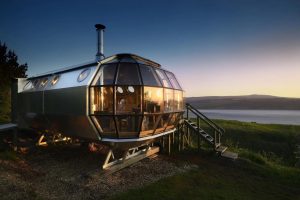
Several locations across Australia boast remarkable treehouse accommodations. These offer a chance to sleep amongst the canopy, surrounded by the sounds of nature. Imagine waking up to the songs of native birds and enjoying breathtaking views from your elevated perch. Many treehouses are designed with sustainability in mind, using locally sourced materials and employing eco-friendly practices. They often include features such as private balconies, comfortable furnishings, and sometimes even outdoor spas.
The experience is one of complete immersion in nature, offering a peaceful escape from the everyday.
Eco-Lodges and Sustainable Stays
Australia is home to numerous eco-lodges committed to sustainable tourism. These lodges are often located in areas of significant natural beauty and focus on minimizing their environmental impact. They typically feature eco-friendly designs, utilize renewable energy sources, and support local communities. Guests can expect comfortable accommodations, often with stunning views, alongside opportunities for nature-based activities such as guided walks, wildlife spotting, and birdwatching.
The experience combines relaxation with a commitment to responsible travel.
Websites for Booking Unique Stays
Finding and booking unique accommodations can be simplified by using specialized websites. These platforms curate a selection of unusual and memorable stays, making it easier to discover options that match your preferences and budget.Finding the perfect unique stay requires research. Several websites specialize in connecting travelers with these unusual accommodations. These platforms often provide detailed descriptions, high-quality photographs, and guest reviews to help you make an informed decision.
Booking through these platforms often ensures a smooth and reliable booking process.
Houseboat and Yacht Stays
Australia’s vast coastline and intricate waterways offer a unique travel experience: houseboat and yacht holidays. These options provide a blend of adventure, relaxation, and unparalleled access to stunning natural beauty, far removed from the typical tourist trail. Whether you crave a tranquil escape or an active exploration, a houseboat or yacht charter can cater to your desires.Houseboat and yacht stays provide distinctly different experiences.
Houseboats, typically smaller and more self-sufficient, are ideal for families or groups seeking a relaxed pace. Yachts, often larger and more luxurious, offer a more refined experience, potentially with crew assistance, suited to couples or smaller groups seeking a higher level of service and comfort.
Types of Houseboats and Yachts Available
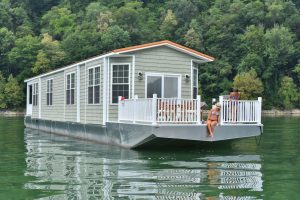
Houseboats range from basic, self-drive models with minimal amenities to more luxurious versions featuring multiple bedrooms, fully equipped kitchens, and even onboard entertainment systems. Smaller houseboats are better suited to navigating inland waterways and smaller lakes, while larger models can handle coastal cruising in sheltered waters. Yachts, on the other hand, span a wide spectrum from compact sailing yachts perfect for couples to large motor yachts capable of long-distance voyages and accommodating numerous guests.
Luxury yachts often come with professional crews, providing catering, cleaning, and navigation services. The choice depends heavily on budget, desired level of comfort, and the type of waterway you plan to explore.
Planning a Houseboat or Yacht Vacation, How to Travel by Train in Australia
Careful planning is crucial for a successful houseboat or yacht holiday. First, determine your budget, as costs vary greatly depending on the size and type of vessel, duration of rental, and inclusion of additional services like crew or catering. Next, consider the desired level of comfort and amenities. Do you prefer a self-sufficient experience or the pampering of a crewed yacht?
Then, select your location and itinerary. Australia boasts numerous waterways suitable for houseboats and yachts, from the Murray River system to the Whitsunday Islands. Research the different locations and choose one that aligns with your interests and experience level. Finally, book your rental well in advance, especially during peak season, and ensure you have appropriate licenses and insurance.
For example, booking a houseboat on the Murray River during summer requires booking months in advance due to high demand. Similarly, chartering a luxury yacht in the Whitsundays during the peak tourist season requires substantial lead time and potentially a larger deposit.
Traveling by train in Australia offers a unique perspective on this diverse land, allowing you to relax, enjoy the scenery, and fully immerse yourself in the journey. By carefully planning your route, selecting the appropriate train service, and understanding the available amenities, you can create an unforgettable travel experience. Remember to book in advance for the best deals and utilize the resources and tips provided in this guide to maximize your comfort and enjoyment.
So, pack your bags, choose your destination, and prepare for an incredible Australian rail adventure.
Quick FAQs
What is the best time of year to travel by train in Australia?
The best time depends on your preferred climate and destination. Generally, spring (September-November) and autumn (March-May) offer pleasant weather across most of the country.
Can I take my bicycle on the train?
Policies vary by train line. Some allow bicycles, often with a reservation and fee. Check with the specific train operator before your journey.
What about accessibility for people with disabilities?
Most major train lines offer accessible facilities, but it’s advisable to contact the operator in advance to confirm specific requirements and make necessary arrangements.
Are there any age restrictions for traveling alone by train?
There are typically no age restrictions, but younger travelers may require adult supervision depending on the length and type of journey. Check with the train operator for specific guidelines.