Road Trip Guides for Adventure Seekers unveils the thrill of the open road, catering to diverse travel styles. Whether you’re a budget-conscious backpacker, a luxury explorer, or a family adventurer, this guide equips you with the essential planning tools, unconventional destinations, and safety tips for an unforgettable journey. We delve into crafting personalized itineraries, managing budgets effectively, and exploring alternative travel options beyond the traditional road trip, ensuring your adventure is both exhilarating and well-managed.
From meticulously planned itineraries and packing lists tailored to various adventure levels to uncovering hidden gems and off-the-beaten-path experiences, this guide is your comprehensive companion. We cover diverse aspects of adventure travel, including budgeting strategies, safety precautions, and alternative travel modes, ensuring your journey is both memorable and safe.
Unconventional Road Trip Destinations and Experiences: Road Trip Guides For Adventure Seekers
Embark on a journey beyond the typical tourist trail, discovering hidden gems and thrilling adventures that redefine the classic road trip. This guide unveils five unique destinations, each offering a distinct blend of natural beauty, cultural immersion, and adrenaline-pumping activities. We’ll then craft a multi-stop itinerary to help you plan your unforgettable adventure.
Five Unique Road Trip Destinations for Adventure Seekers
This section details five lesser-known locations ideal for adventurous travelers, providing a diverse range of experiences from rugged landscapes to vibrant cultural encounters. Each location offers opportunities for unique exploration and thrilling activities.
1. The Transfăgărășan Highway, Romania: This breathtaking mountain road, carved through the Carpathian Mountains, offers stunning vistas, hairpin turns, and challenging driving conditions. Imagine winding your way through dramatic landscapes, passing by glacial lakes and dense forests. The road itself is an adventure, and the surrounding area provides opportunities for hiking, mountain biking, and exploring charming villages.
The sheer scale and beauty of the Transfăgărășan are unmatched.
2. Ruta 40, Argentina: Stretching over 3,000 miles, Ruta 40 is a legendary route traversing Argentina’s diverse landscapes. From the Andes Mountains to the Patagonian steppe, this journey offers unparalleled scenic beauty. Expect to encounter dramatic canyons, vast deserts, and glaciers, all while experiencing the rich culture of Argentina’s indigenous communities. The journey itself is a testament to human resilience and the raw beauty of nature.
3. The Cabot Trail, Nova Scotia, Canada: This scenic highway winds around Cape Breton Island, offering stunning coastal views, charming fishing villages, and lush forests. The drive itself is a pleasure, but the opportunities for hiking, kayaking, whale watching, and exploring the unique culture of Cape Breton make it a truly unforgettable adventure. The blend of natural beauty and cultural richness is captivating.
4. The Dalton Highway, Alaska, USA: For the truly adventurous, the Dalton Highway offers an extreme off-road experience. This gravel road stretches deep into the Alaskan wilderness, providing a chance to witness untouched landscapes, encounter wildlife (exercise caution!), and experience the raw beauty of the Arctic. This is a challenging drive, requiring a sturdy vehicle and careful planning, but the rewards are immense.
5. The Great Ocean Road, Australia: While somewhat more well-known than the others, the Great Ocean Road still offers a unique blend of coastal beauty and adventure. The iconic Twelve Apostles rock formations are a must-see, but the road itself offers numerous opportunities for hiking, surfing, and exploring charming coastal towns. The dramatic cliffs and pristine beaches provide a memorable backdrop for any adventure.
Thrilling and Unusual Road Trip Activities
Beyond the destinations themselves, incorporating unique activities elevates the road trip experience. These suggestions cater to diverse interests and adventure levels.
This section Artikels several activities that add an element of excitement and uniqueness to a road trip, going beyond the typical sightseeing.
Examples include: white-water rafting in a remote canyon, rock climbing in a national park, learning to surf on a secluded beach, hot air ballooning over a stunning landscape, and even participating in a local festival or cultural event. The possibilities are endless, depending on the chosen destinations and personal preferences.
Suggested Multi-Stop Road Trip Itinerary
This itinerary combines the destinations and activities described above into a potential multi-stop road trip. Note that travel times are estimates and may vary depending on specific routes and conditions. Accommodation suggestions are general; specific choices depend on budget and preference.
| Destination | Activities | Estimated Time | Accommodation Suggestions |
|---|---|---|---|
| Transfăgărășan Highway, Romania | Driving the highway, hiking, mountain biking | 3-5 days | Mountain lodges, guesthouses |
| Ruta 40, Argentina | Driving Ruta 40, exploring Andean villages, hiking | 10-14 days | Hotels in towns, campsites |
| Cabot Trail, Nova Scotia | Driving the Cabot Trail, hiking, kayaking, whale watching | 5-7 days | Cottages, B&Bs |
| Dalton Highway, Alaska | Driving the Dalton Highway, wildlife viewing (safe distance), photography | 7-10 days (requires significant preparation) | Limited lodging options, camping highly recommended |
Budgeting and Resource Management for Adventure Road Trips
Planning a budget for an adventurous road trip requires a strategic approach that balances the thrill of exploration with the need for responsible spending. Successfully navigating this requires careful consideration of various factors, from transportation costs and accommodation to activity fees and unexpected expenses. A well-structured budget ensures a memorable trip without leaving you financially strained.
Budgeting Strategies for Adventure Road Trips
Prioritizing adventure activities while sticking to a budget necessitates a multi-pronged strategy. First, create a realistic budget by estimating all anticipated expenses, including gas, food, accommodation, activities, and potential emergencies. Consider using budgeting apps or spreadsheets to track spending and ensure you remain within your financial limits. Secondly, prioritize your must-do activities. Rank your desired adventures based on importance and cost, allocating more funds to high-priority experiences.
Finally, be flexible. Unexpected opportunities might arise, so build some buffer into your budget for spontaneous adventures. For example, if you initially budgeted $1000 for a ten-day trip, consider adding a 20% buffer ($200) to account for unexpected costs or enticing last-minute opportunities.
Affordable Accommodation Options, Road Trip Guides for Adventure Seekers
Finding affordable lodging is crucial for maximizing your adventure budget. Camping offers a cost-effective and immersive way to experience nature. National and state parks often provide campsites for a reasonable fee, offering stunning views and opportunities for outdoor activities. Hostels represent another budget-friendly choice, providing basic accommodation with shared rooms and common areas, perfect for meeting fellow travelers. Budget motels, often found along highways, offer a more private alternative to hostels, though they might lack some amenities.
Consider using websites and apps that compare prices and offer deals on accommodations. For instance, a family of four camping in a national park might pay around $25 per night, significantly less than a hotel room. Staying in hostels could cost between $20-$40 per night per person, while budget motels can range from $50-$100 per night.
Minimizing Travel Expenses Without Compromising Adventure
Reducing travel costs doesn’t necessitate sacrificing the adventure. Preparing packed lunches and snacks instead of eating out at restaurants can significantly cut food expenses. Cooking your own meals, even simple ones, at campsites or in hostel kitchens, is an excellent way to save money while maintaining energy for your adventures. Opting for public transportation or ride-sharing services, where feasible, can be cheaper than renting a car, particularly in urban areas.
Exploring free or low-cost activities such as hiking, swimming, or visiting free museums or national parks can enhance your adventure without straining your budget. For instance, a family of four saving $50 per day on food by packing lunches could save $500 over a ten-day trip, allowing them to allocate those funds to other activities. Similarly, utilizing public transportation in a city could save considerable money compared to car rental and parking fees.
Safety and Preparedness for Adventurous Road Trips

Embarking on an adventurous road trip, whether solo or with a group, demands meticulous planning and a strong emphasis on safety. Unforeseen circumstances can arise, transforming a thrilling journey into a perilous one. Proactive safety measures are not merely precautions; they are essential components of a successful and enjoyable adventure. This section details crucial safety protocols and preparedness strategies to ensure a safe and memorable experience.
Thorough preparation significantly reduces the risk of accidents and unforeseen difficulties. A well-defined plan, encompassing route selection, potential hazards, and emergency contingencies, is crucial. Knowing your vehicle’s limitations and having the skills to handle various situations is equally vital. This includes understanding basic vehicle maintenance and possessing the ability to perform minor repairs on the road.
Essential Safety Precautions for Solo and Group Road Trips
Solo road trips present unique challenges, demanding heightened vigilance and self-reliance. Group trips, while offering camaraderie and shared responsibility, necessitate clear communication and a designated leader to coordinate safety protocols. Regardless of the travel style, maintaining regular communication with loved ones is vital, providing updates on location and itinerary. Sharing a detailed travel plan with someone who is not on the trip is also strongly advised.
This includes planned stops, estimated travel times, and emergency contact information. In case of emergencies, having a readily accessible, pre-charged power bank for communication devices is critical.
Necessary Safety Equipment and Tools for Adventurous Road Trips
Carrying appropriate safety equipment is paramount. This equipment should be chosen based on the specific nature of the planned road trip, encompassing the type of terrain, weather conditions, and duration of the journey. A comprehensive emergency kit, easily accessible within the vehicle, is indispensable.
- First-aid kit: Including bandages, antiseptic wipes, pain relievers, anti-diarrheal medication, and any personal medications.
- Emergency communication devices: A satellite messenger or a high-powered two-way radio, particularly crucial in areas with limited cell service.
- Spare tire and jack: Essential for handling flat tires, especially in remote locations.
- Jumper cables: For jump-starting a dead battery.
- Basic tools: A wrench, pliers, and duct tape for minor repairs.
- Flashlight or headlamp: With extra batteries.
- High-visibility clothing or reflective gear: For roadside safety.
- Water and non-perishable food: Sufficient for at least 24 hours.
- Map and compass: As a backup to GPS navigation, particularly helpful in areas with poor or no cell service.
Strategies for Navigating Challenging Terrains and Weather Conditions
Successfully navigating challenging terrains and unpredictable weather conditions requires adaptability and preparedness. Understanding the potential hazards associated with the chosen route is crucial, and planning for contingencies is essential. This may involve researching alternative routes, assessing weather forecasts, and familiarizing oneself with local emergency services.
For instance, driving on unpaved roads necessitates a vehicle equipped for off-road travel and the driver possessing appropriate driving skills. Similarly, navigating mountainous regions demands awareness of altitude sickness and potential hazards like landslides or avalanches. In areas prone to extreme weather, such as deserts or high altitudes, having appropriate clothing and supplies is crucial. For instance, carrying extra layers of clothing, including waterproof outerwear, and having a plan for shelter in case of unexpected storms is vital.
Exploring Alternative Travel Options
While the open road offers unparalleled freedom, alternative travel methods provide unique advantages and adventures. This section explores flights, trains, cruises, RVs, and other options, comparing their suitability for adventure seekers and offering practical tips for planning and budgeting.
Comparing Travel Modes for Adventure
Road trips, flights, trains, and cruises each offer distinct adventure potentials. Road trips provide maximum flexibility and immersion in the landscape, allowing spontaneous detours and exploration. Flights prioritize speed and efficiency, ideal for reaching far-flung destinations. Train journeys offer a relaxed pace with scenic views, fostering a sense of journey rather than just arrival. Cruises, while structured, provide access to multiple destinations and onboard activities, making them suitable for a diverse range of adventurers.
The best choice depends on your priorities – time, budget, desired level of independence, and the type of adventure sought.
Flight Deals and Travel Hacks
Finding affordable flights is crucial for budget-conscious adventurers. Websites like Skyscanner, Google Flights, and Kayak allow price comparisons across multiple airlines. Consider flying during off-season or on weekdays for lower fares. Being flexible with your travel dates and exploring nearby airports can also yield significant savings. Utilizing airline loyalty programs and signing up for email alerts can lead to exclusive deals and promotions.
For example, Southwest Airlines’ Wanna Get Away fares often offer significantly discounted flights if booked in advance.
Planning Train Travel: Scenic Routes and Advantages
Train travel offers a unique blend of comfort and adventure. Scenic routes, such as Amtrak’s Coast Starlight along the Pacific Coast or the Rocky Mountaineer in Canada, provide breathtaking views inaccessible by car. Train travel eliminates the stress of driving, allowing passengers to relax and enjoy the scenery. Many train journeys offer onboard amenities such as dining cars and observation lounges, enhancing the travel experience.
Planning requires researching routes, booking tickets in advance (especially for popular routes), and considering luggage allowances.
Cruise Ship Experiences: Adventure-Oriented Options
Cruises offer diverse experiences, ranging from relaxing getaways to adventure-packed expeditions.
- Expedition Cruises: These cruises focus on exploring remote destinations, often involving activities like kayaking, hiking, and wildlife viewing. Examples include voyages to Antarctica or the Galapagos Islands.
- Adventure Cruises: These cruises incorporate adventure activities directly into the itinerary, such as zip-lining, scuba diving, or white-water rafting. Caribbean cruises often offer these options.
- Themed Cruises: Some cruises cater to specific interests, such as photography, culinary arts, or history, providing themed excursions and onboard activities.
Choosing the right cruise depends on the desired level of activity and the type of destination.
RV and Campervan Travel: Pros and Cons
RV and campervan travel offer a unique blend of road trip freedom and comfortable accommodation.
- Pros: Flexibility, cost savings on accommodation, ability to explore remote areas, and immersive travel experience.
- Cons: Higher initial costs, maintenance responsibilities, limited space, and potential for mechanical issues.
Careful planning, including route selection, campsite reservations, and maintenance checks, is crucial for a successful RV or campervan adventure.
Unique Stay Options: Treehouses, Houseboats, and Yachts
Beyond traditional hotels, adventurous travelers can explore unique accommodations.
- Treehouses: Offer a secluded and romantic escape, often nestled amidst lush forests, providing a tranquil and immersive experience in nature. Many offer basic amenities with a focus on connection with the natural environment.
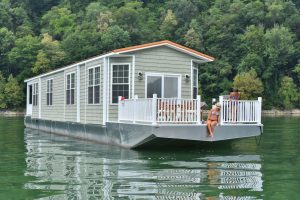
- Houseboats: Provide a unique perspective on water-based destinations, allowing exploration of waterways and lakes. They range from basic to luxurious, with options for fishing, swimming, and relaxing on the water.
- Yachts: Offer the ultimate luxury travel experience, providing private access to exclusive destinations and amenities. Chartering a yacht allows for a customized itinerary and unparalleled comfort.
Budget Accommodation Tips
Regardless of your chosen mode of transportation, budget-conscious travelers can utilize various strategies to reduce accommodation costs. Hostels, guesthouses, and budget hotels often offer affordable options. Websites like Hostelworld and Booking.com allow for price comparisons and booking. Consider sharing accommodations with travel companions to reduce individual costs.
Vacation Rentals and Airbnb for Adventurers
Vacation rentals and Airbnb offer a wide range of options suitable for adventurous travelers. Properties located near hiking trails, national parks, or water activities provide easy access to outdoor adventures. Searching for properties with amenities like kitchens allows for cost savings on meals. Examples include cabins in mountain regions or beach houses near surfing spots.
Finding and Booking Hotels: Value and Location
When booking hotels, prioritize location and value. Websites like Expedia and Hotels.com offer comprehensive search capabilities and price comparisons. Look for hotels near public transportation or attractions to minimize travel costs and time. Reading reviews from previous guests can provide valuable insights into the hotel’s quality and service.
Embarking on an adventurous road trip requires meticulous planning and a spirit of exploration. This guide has equipped you with the knowledge and resources to craft a journey that aligns perfectly with your unique adventure-seeking persona. Remember to prioritize safety, embrace spontaneity, and cherish the unforgettable memories created along the way. The open road awaits; your adventure begins now.
FAQ Summary
What’s the best time of year for an adventurous road trip?
The optimal time depends on your chosen destination and preferred climate. Research the weather patterns of your selected locations to determine the most favorable season.
How can I ensure my vehicle is road trip ready?
Before embarking, get a pre-trip vehicle inspection, ensure adequate tire pressure, check fluids, and confirm that your spare tire and emergency kit are in good working order.
What are some essential apps for road trips?
Useful apps include navigation (Google Maps, Waze), offline maps, roadside assistance, weather updates, and trip planning tools.
How do I handle unexpected car trouble on the road?
Always carry an emergency kit, know how to change a tire, and have roadside assistance contact information readily available. If possible, pull over to a safe location and contact emergency services.