Scenic Road Trip Guides in the USA unveils the allure of exploring America’s breathtaking landscapes by car. This guide delves into meticulously planned itineraries, offering insights into the best routes, accommodation options, and must-see attractions. Whether you dream of cruising the Pacific Coast Highway or venturing off the beaten path, we provide the essential tools and information to plan an unforgettable journey.
Discover hidden gems, optimize your budget, and create memories that will last a lifetime.
Planning Your Scenic Road Trip

Embarking on a scenic road trip along the iconic Pacific Coast Highway or any other breathtaking route requires meticulous planning to ensure a smooth and memorable journey. Careful consideration of your itinerary, essential supplies, and a realistic budget are key to maximizing your experience and minimizing potential stress. This section will guide you through these crucial aspects of road trip preparation.
Sample Pacific Coast Highway Itinerary (Two Weeks)
This itinerary focuses on a southbound journey, starting in Seattle and ending in Los Angeles. Driving times are estimates and may vary depending on traffic and stops. Flexibility is key; feel free to adjust based on your interests and available time.
- Day 1-3: Seattle, WA to Portland, OR (approx. 3 hours driving): Explore Seattle’s Pike Place Market, Space Needle, and waterfront before driving to Portland. Enjoy Portland’s vibrant food scene and explore its numerous parks and gardens.
- Day 3-5: Portland, OR to Redwood National Park, CA (approx. 7-8 hours driving): Drive through stunning Oregon landscapes to reach the majestic Redwood National Park. Hike among the giant redwood trees and explore the park’s diverse ecosystems.
- Day 5-7: Redwood National Park, CA to San Francisco, CA (approx. 4-5 hours driving): Continue south along the coast, enjoying scenic overlooks and charming coastal towns. Spend a few days exploring San Francisco’s iconic landmarks like the Golden Gate Bridge, Alcatraz Island, and Fisherman’s Wharf.
- Day 7-9: San Francisco, CA to Big Sur, CA (approx. 2-3 hours driving): Drive down the breathtaking Big Sur coastline, stopping at scenic viewpoints like Bixby Bridge and Pfeiffer Big Sur State Park. Enjoy hiking and exploring the dramatic cliffs and beaches.
- Day 9-11: Big Sur, CA to Santa Barbara, CA (approx. 4-5 hours driving): Continue south, enjoying more stunning coastal views. Explore the charming town of Santa Barbara, known for its Spanish architecture and beautiful beaches.
- Day 11-14: Santa Barbara, CA to Los Angeles, CA (approx. 1.5-2 hours driving): Enjoy a relaxed drive to Los Angeles, stopping at beaches along the way. Spend your remaining days exploring Los Angeles’ diverse attractions, from Hollywood to museums and theme parks.
Road Trip Essentials Checklist
A well-prepared checklist ensures you have everything you need for a comfortable and safe journey. This checklist categorizes items for easy packing and reference.
- Vehicle Preparation:
- Check engine oil, coolant, and tire pressure.
- Ensure adequate fuel capacity.
- Pack a roadside emergency kit (jumper cables, tire inflator, first-aid kit).
- Confirm vehicle insurance and registration are up-to-date.
- Personal Essentials:
- Comfortable clothing suitable for various weather conditions.
- Toiletries and medications.
- Sunscreen, sunglasses, and a hat.
- Appropriate footwear for hiking and exploring.
- Reusable water bottle.
- Entertainment:
- Books, audiobooks, or podcasts.
- Offline maps and navigation system.
- Portable charger for electronic devices.
- Camera and extra memory cards.
Budgeting Your Road Trip
Accurately estimating costs is vital for managing your finances effectively. Consider these major expense categories.
- Gas: Gas prices vary significantly by location. Using a fuel cost calculator (many are available online) and factoring in your planned route and vehicle’s fuel efficiency will provide a reasonable estimate. For example, a vehicle averaging 25 mpg on a 2000-mile trip with gas costing $4/gallon would cost approximately $320 for fuel.
- Accommodation: Costs vary greatly depending on your choice of lodging (hotels, motels, camping). Budgeting $100-$200 per night for a hotel room is a reasonable estimate, though camping can significantly reduce this expense.
- Food: Plan your meals strategically to balance restaurant meals with grocery store purchases. A daily food budget of $50-$100 per person is a reasonable range, depending on your dietary preferences and eating habits.
- Activities: Entrance fees for national parks, attractions, and tours can add up quickly. Research costs in advance and allocate funds accordingly. Consider free activities like hiking and exploring beaches to balance your budget.
Accommodation Options Along Scenic Routes: Scenic Road Trip Guides In The USA
Choosing the right accommodation is crucial for a memorable road trip. The type of lodging you select will significantly impact your comfort, budget, and overall experience. This section explores various accommodation options, highlighting their advantages and disadvantages to help you make informed decisions.
Comparing Accommodation Types for Road Trips, Scenic Road Trip Guides in the USA
Selecting the ideal accommodation depends heavily on your travel style, budget, and the specific scenic route you’re taking. Consider these factors when comparing hotels, motels, vacation rentals, and campgrounds.
- Hotels:
- Pros: Wide range of amenities (pools, restaurants, fitness centers), typically clean and well-maintained, convenient locations, often offer loyalty programs.
- Cons: Can be expensive, especially in popular tourist areas, less privacy than other options, may lack character.
- Motels:
- Pros: Generally more affordable than hotels, often located conveniently near highways, offer basic amenities, a classic road trip experience.
- Cons: Amenities may be limited, cleanliness can vary, may feel less secure than hotels.
- Vacation Rentals (e.g., Airbnb, VRBO):
- Pros: More space and privacy than hotels or motels, often equipped with kitchens, can be more affordable for groups, allows for a more home-like experience.
- Cons: May require more cleaning and maintenance, can be located further from amenities, booking process may involve more communication with the host.
- Campgrounds:
- Pros: Immersive nature experience, significantly more affordable, great for outdoor enthusiasts, often located in stunning natural settings.
- Cons: Requires camping gear, limited amenities, can be affected by weather conditions, may lack privacy.
Unique Lodging Options Along Scenic Routes
Beyond the standard options, many scenic routes offer unique and memorable lodging experiences.
- Cabins in the Smoky Mountains National Park: Imagine cozying up by a fireplace in a rustic cabin nestled amidst towering trees, with breathtaking mountain views. Many cabins offer fully equipped kitchens, hot tubs, and private decks, providing a secluded and relaxing getaway. The ambiance is peaceful and rustic, perfect for a romantic escape or family adventure.
- Bed and Breakfasts along Route 66: Route 66 is dotted with charming bed and breakfasts, each with its own unique history and character. These often feature antique furnishings, personalized service, and delicious homemade breakfasts, providing a glimpse into the area’s rich past. The ambiance is typically quaint and welcoming, offering a personalized experience.
- Quirky Roadside Motels: Some motels along iconic routes embrace their kitschy charm, offering themed rooms and unique architectural designs. For example, a motel might feature giant dinosaur statues or retro-themed rooms, offering a fun and memorable stay. The ambiance is playful and nostalgic, perfect for those seeking a quirky and unforgettable road trip experience.
Finding Budget-Friendly Accommodation
Utilizing online tools and resources can significantly help in finding affordable accommodation.Websites like Kayak, Expedia, Booking.com, and Google Hotels allow you to compare prices across different platforms. Consider traveling during the off-season or shoulder season for lower rates. Look for deals and discounts, such as AAA member rates or senior discounts. Utilizing websites specializing in budget-friendly accommodations, such as Hostelworld or BudgetTravel.com, can also uncover hidden gems.
Finally, be flexible with your travel dates and consider staying slightly outside of major tourist areas to find more affordable options.
Travel Alternatives and Related Information
Planning a scenic road trip across the USA offers unparalleled freedom and flexibility, but it’s not the only way to explore. This section explores alternative travel methods and how they can be integrated with a road trip, along with budget-friendly accommodation options. Understanding the pros and cons of each option will help you tailor the perfect itinerary for your needs and budget.
Comparison of Travel Modes
Choosing the right mode of transport significantly impacts your road trip experience. Consider factors like cost, time, comfort, and the level of flexibility you desire. The following table provides a comparison of road trips, flights, trains, and cruises.
| Mode of Travel | Advantages | Disadvantages |
|---|---|---|
| Road Trip | Flexibility, scenic views, cost-effective (depending on vehicle and fuel), control over itinerary. | Time-consuming, can be tiring, potential for traffic delays, vehicle maintenance costs. |
| Flights | Fast, efficient for long distances, wide range of destinations. | Expensive, limited flexibility once booked, airport transfers, baggage fees. |
| Trains | Relaxing, scenic routes, often more comfortable than driving long distances. | Limited routes, less frequent than flights or driving, potentially slower than flying. |
| Cruises | All-inclusive packages, variety of onboard activities, destination hopping. | Less flexibility, itineraries are fixed, can be expensive, potential for seasickness. |
Flight Deals and Travel Hacks
Combining air travel with a road trip can significantly reduce travel time, especially for long distances. Websites like Skyscanner, Google Flights, and Kayak offer flight comparison tools to find the best deals. Consider flying into a smaller airport to potentially save money and avoid congestion at major hubs. Booking flights during off-peak seasons or on weekdays can also lead to lower fares.
Travel hacking programs, such as those that offer airline miles or hotel points, can be beneficial for frequent travelers. For example, utilizing points accumulated from a credit card could significantly reduce the cost of flights or rental cars.
Scenic Train Journeys Across the USA
Amtrak offers numerous scenic train routes across the country. The Coast Starlight route, running between Seattle and Los Angeles, provides breathtaking views of the Pacific Coast. The Empire Builder, traveling between Chicago and Seattle/Portland, offers stunning landscapes of the Midwest and Northwest. Detailed route information, including schedules and booking options, is available on the Amtrak website. Consider purchasing tickets in advance, especially during peak season, to secure your preferred seats and avoid potential price increases.
Cruise Ship Reviews and Recommendations
Combining a cruise with a road trip allows you to explore different regions. For example, a Caribbean cruise could be combined with a road trip through Florida. Websites like Cruise Critic provide comprehensive reviews and ratings of various cruise lines and ships. Factors to consider include the ship’s amenities, itinerary, and overall value for money. Reading reviews from other travelers can provide valuable insights into the cruise experience.
Be sure to research the cruise line’s cancellation policies and any potential additional costs beyond the advertised price.
Budget Accommodation Tips
Beyond traditional hotels, numerous budget-friendly options exist. Hostels offer dorm-style rooms or private rooms at lower prices. Camping provides an affordable and immersive experience, especially in national parks. Consider utilizing websites like Hipcamp for unique camping options beyond traditional campgrounds.
Finding and Booking Vacation Rentals and Airbnbs
Websites like Airbnb and VRBO offer a wide variety of vacation rentals, from apartments to entire houses. Benefits include more space, kitchen facilities, and a more home-like environment. Drawbacks can include potential cleaning fees, extra charges for guests, and lack of hotel amenities. Always carefully read reviews and check the cancellation policy before booking.
Hotel Reviews and Tips for Choosing Accommodation
Websites like TripAdvisor and Booking.com provide comprehensive hotel reviews and ratings. Consider factors like location, amenities, price, and guest reviews when selecting accommodation. For road trips, proximity to highways and free parking are crucial considerations. Booking in advance, especially during peak season, is recommended to secure your preferred accommodation and potentially obtain better rates.
RV and Camper Travel
RV and camper travel offers ultimate flexibility and freedom. Planning involves researching campsites, managing fuel and water supplies, and ensuring proper vehicle maintenance. Websites like RVshare and Outdoorsy offer RV rentals. Consider the size and type of RV based on your travel style and group size. Factor in potential costs for campsites, fuel, and any necessary repairs.
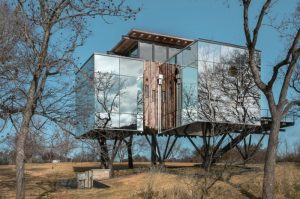
Unique Stay Options: Treehouses
Treehouses offer a unique and memorable accommodation experience. Numerous treehouse rentals are available across the USA, from the Redwood forests of California to the Appalachian Mountains. Websites specializing in unique accommodations often list these options. Research carefully to ensure the treehouse meets your needs and expectations regarding safety and amenities.
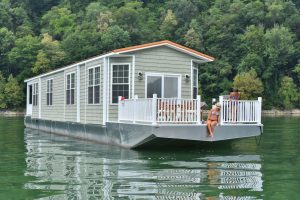
Houseboat and Yacht Stays
Houseboat and yacht stays provide a luxurious and unique experience. Availability and pricing vary greatly depending on location, size, and amenities. Many locations offer rentals through specialized booking platforms or directly from owners. Consider factors like boating experience, licensing requirements, and potential costs for fuel and maintenance if self-operated.
Ultimately, planning a scenic road trip across the USA is an adventure in itself. This guide has equipped you with the knowledge and resources to navigate the planning process, from choosing the perfect route and finding suitable accommodation to budgeting effectively and discovering hidden gems along the way. Embrace the open road, and let the journey unfold as you explore the diverse beauty of America.
Common Queries
What is the best time of year for a road trip across the USA?
The ideal time depends on your chosen route and preferences. Spring and fall generally offer pleasant weather in most regions, avoiding the extreme heat of summer and cold of winter.
How do I obtain necessary travel documents for a road trip?
Ensure your driver’s license is valid and consider obtaining a AAA membership for roadside assistance. For international travelers, check visa requirements and ensure your passport is valid.
What are some safety tips for a road trip?
Regularly check your vehicle’s condition, inform someone of your itinerary, and avoid driving when tired. Be aware of your surroundings and take necessary precautions at rest stops.
How can I find pet-friendly accommodations along scenic routes?
Many hotels, motels, and vacation rentals welcome pets. Filter your searches on booking websites using the “pet-friendly” option, and always confirm pet policies directly with the accommodation provider.